Seminary Square Market – Cuneo
Europe,
Italy,
Cuneo,
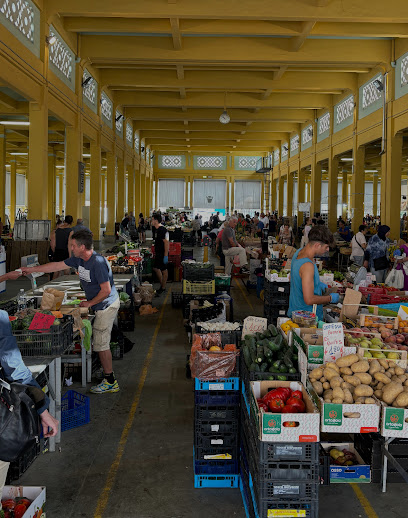
Welcome to the Mercato di Piazza Seminario, a place that represents a landmark not only for the city of Cuneo but also for its history and cultural identity. Located in the heart of the historic center, this market has been active for centuries and is frequented by residents and visitors, making it a place of exchange and socialization. Its origins date back to the Middle Ages, but the square has seen many transformations over time. The Mercato di Piazza Seminario is known for the variety of products offered, ranging from fresh, local food to handicrafts, thus reflecting the culinary and artisanal traditions of the area. The square is situated in a strategic location, surrounded by some of the main historical buildings of the city, making it an ideal spot to immerse oneself in Cuneo’s culture and daily life. The history of the Mercato di Piazza Seminario is closely linked to the evolution of Cuneo. The square has been documented since the 13th century, when it was used as a place for exchange and trade. Originally, transactions took place outdoors, creating a lively and colorful atmosphere. Over the centuries, the market expanded, eventually including the famous Thursday market, which continues to exist today and attracts thousands of visitors. In the 18th century, the market underwent various transformations, with the construction of structures to cover the selling spaces, in order to protect the products, especially food items, from the elements. During the 19th century, the market saw further expansion, parallel to the increased economic significance of Cuneo, becoming not only a place for sales but also a social and cultural center. In 1930, restoration and modernization interventions were carried out that changed the appearance of the square. Since then, the Mercato di Piazza Seminario has continued to be renovated and adapted to changes in consumer habits and the needs of merchants. The square has always maintained a traditional vocation, serving as a meeting place for people. Today, the market is a symbol of the resilience and vitality of the Cuneo community. The facade of the Cathedral of Santa Maria del Bosco As soon as you arrive at the Mercato di Piazza Seminario, you cannot miss the magnificent facade of the Cathedral of Santa Maria del Bosco, which stands majestically before you. Built between 1730 and 1786, this cathedral is an excellent example of Baroque architecture. The facade, decorated with precious marbles, is a true masterpiece of beauty and craftsmanship. Observe the sculptural details that adorn the church: each figure has a meaning and tells a part of the religious history of the city. The market stalls As you move toward the market stalls, you will have the opportunity to observe an extraordinary variety of local products. Among the stalls, you can find fresh products, such as fruits, vegetables, and spices, predominantly of local origin. Don’t forget to taste the famous “torrone di Cuneo,” a sweet typical of the local confectionery tradition, and to try the cheeses from the Valle Grana, renowned for their unique flavor. The Palazzo del Governo To the left of the market stands the Palazzo del Governo, an imposing building dating back to the 18th century. Here you can admire Baroque and Neoclassical architectural elements, reflecting the political and administrative importance of the city over the centuries. This palace is not only a historical testament but also a symbol of Cuneo’s governance and its evolution over time. The frescoes of the Palazzo della Città Continuing on, it is interesting to note the Palazzo della Città, located near the market. The facade of this building is adorned with frescoes that depict significant events in local history. These frescoes, created by local artists, are an important testament to Cuneo’s rich artistic tradition and represent moments of great relevance for the Cuneo community. Historical architectural details As you stroll among the stalls, take a moment to observe the architectural details that characterize the square. The porticoes that surround the square are a distinctive feature of Cuneese architecture. These porticoes, made of stone and brick, not only add a touch of elegance to the square but also provide shelter for people as they enjoy the market. The Church of San Francesco Finally, don’t forget to visit the Church of San Francesco, located just a few steps from the market. This church, built in the 13th century, is a fascinating example of Gothic architecture. The interiors are decorated with remarkable artworks and offer an atmosphere of serenity and spirituality. The Mercato di Piazza Seminario is set in a vibrant urban context rich in history. The square is located in an area well-connected to various other cultural attractions in Cuneo. For example, just a short walk away is the renowned Museo Civico di Cuneo, where works of art from local artists and archaeological collections telling the history of the region are on display. Another place to visit nearby is the Parco della Resistenza, a green area where you can walk and relax, immersed in nature and history, as the park is dedicated to the memory of the historical events of the 20th century. Additionally, within a short distance stands the monument to Giuseppe Garibaldi, an important historical figure in Italy. This monument represents the unity and independence of Italy and is a symbolic meeting point for the people of Cuneo. 1. Historical markets: Cuneo has a tradition of markets that dates back centuries. In addition to the Mercato di Piazza Seminario, Cuneo hosts other historical markets held in various squares around the city, contributing vibrantly to the local culture. 2. Culinary traditions: The Mercato di Piazza Seminario is famous for its production of “gnocchi al plin,” a type of local pasta made with fresh and local ingredients. This dish is a symbol of Cuneese cuisine and is served in many trattorias in the city. 3. Community events: Throughout the year, Piazza Seminario hosts events and celebrations that celebrate local traditions, such as village festivals and fairs, making the market a place of storytelling and conviviality for the people of Cuneo. We now invite you to discover other fascinating places nearby, such as the Museo Civico di Cuneo and the Parco della Resistenza, which will further enrich your experience in the historic city of Cuneo.
Read More