Soleri Viaduct – Cuneo
Europe,
Italy,
Cuneo,
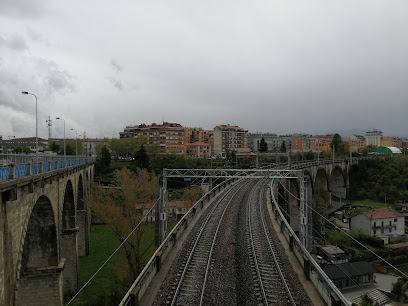
The Soleri Viaduct, located in Cuneo, is an extraordinary engineering work that not only represents an important road junction but is also a symbol of the city’s architectural identity. Built in the early 1980s, specifically between 1980 and 1982, the viaduct stands out for its bold structure and integration into the surrounding landscape. It is known for its impressive length of over 1,000 meters, making it one of the longest bridges in Italy. Its construction had a significant impact on road connections, especially for traffic heading towards the French border. As a crucial connection point, the Soleri Viaduct fits perfectly into the historical and urban context of the city of Cuneo, contributing substantially to its economy and mobility. The project for the Soleri Viaduct arose from the need to improve transportation infrastructure in the Cuneo area and facilitate access to the surrounding valleys and France. In the 1970s, traffic in the area had increased considerably, making it evident that a structure was needed to support this growing flow. The construction was commissioned by ANAS, the National Autonomous Company of Roads, which is responsible for managing national roads in Italy. Work began in 1980, and thanks to the use of cutting-edge technologies for the time, the viaduct was completed relatively quickly. The structure was designed by engineers Francesco and Giovanni Soleri, after whom the viaduct is named. The choice of location was determined by the need to connect two important road arteries, reducing travel times and improving road safety. The viaduct was inaugurated in 1982, immediately proving to be a functional success, although in the early years of operation, some issues with cracks and fissures arose, necessitating maintenance work. Thanks to these interventions, carried out in the following years, the structure has maintained its functionality and safety over time. Over the years, the Soleri Viaduct has seen an increase in traffic flow, becoming a crucial piece for the integration of the transportation system in Piedmont. Today, it is considered one of the main access points to the Alpine area and the routes that lead towards the French border. As you approach the Soleri Viaduct, the first element that captures your attention is undoubtedly its bold architecture. The wide span, supported by towering columns, stands majestically in the sky, visible from various points in the city. The facade, made of reinforced concrete, combines functionality and aesthetics, making the bridge not just a thoroughfare but also a work of engineering art. As you get closer, the departure of the viaduct’s shoulders is characterized by an impressive access stairway, which offers a panoramic view of the city of Cuneo and the surrounding Alps. This structural part is not just decorative; it was also designed for rainwater drainage, a crucial engineering detail to prevent water accumulation on the surface. Continuing on, you notice the length of the viaduct: over 1,000 meters stretching through a hilly landscape. This extension is not trivial; it represents a true engineering solution to connect two parts of the city and reduce the elevation difference, facilitating vehicular transit. Internally, the structure of the viaduct is designed with horizontal beams that help distribute the weight of traffic. Whether you are in a car or a bus, the sensation of crossing the viaduct is remarkable; it feels like you are floating over the landscape, with the urban view of Cuneo on one side and the magical scenery of the Alps on the other. Another aspect to observe is the lighting of the viaduct, which at night creates particular scenic effects, highlighting the lines and curves of its structure. It is not uncommon to see the bridge illuminated on various festive occasions, further integrating it into the cultural and social life of the city. Finally, take a moment to stop and enjoy the view. The elevated position of the viaduct offers an extraordinary panorama of Cuneo, and on clear days it is possible to glimpse the peaks of the mountains that frame the city. The Soleri Viaduct is part of an area that is much more than just a transit point. Cuneo is a city rich in history and culture, characterized by a well-preserved historic center and numerous points of interest. Among these, just a short walk from the viaduct, is the beautiful Piazza Galimberti, one of the city’s main squares, known for its market and historic cafes. Another point of interest is the Monument to the Resistance, located not far from the viaduct, which celebrates the courage and sacrifice of the local population during World War II. This monument offers an interesting opportunity for reflection on contemporary history and the resilience of the community. Furthermore, moving towards the surrounding hills, it is possible to visit the Gesso and Stura River Park, a protected natural area that hosts trekking paths and picnic areas, perfect for those who wish to enjoy the beauty of the natural landscape and relax outdoors, in a context that harmoniously ties into the engineering of the Soleri Viaduct. 1. The Soleri Viaduct was designed to support not only light traffic but also heavy traffic, an important factor considering the volume of trucks heading towards the European market. 2. The structure of the bridge was conceived to withstand seismic stresses, making it one of the safest viaducts in the region, in a geologically active area like the Alps. 3. The project for the Soleri Viaduct has received various awards for its innovation and design, helping to place Cuneo in the spotlight of the Italian and European engineering scene.
Read More