St. Hedwig's Cathedral
Europe,
Germany,
citta,
Mitte
The Spreepark in Berlin is a place rich in history, reflecting the social, political, and economic changes of the city from its opening in 1969 to the present day. Located in the Plänterwald district, Treptow-Köpenick, this amusement park has been a symbol of fun for several generations of Berliners, but also the scene of intriguing and dramatic events.
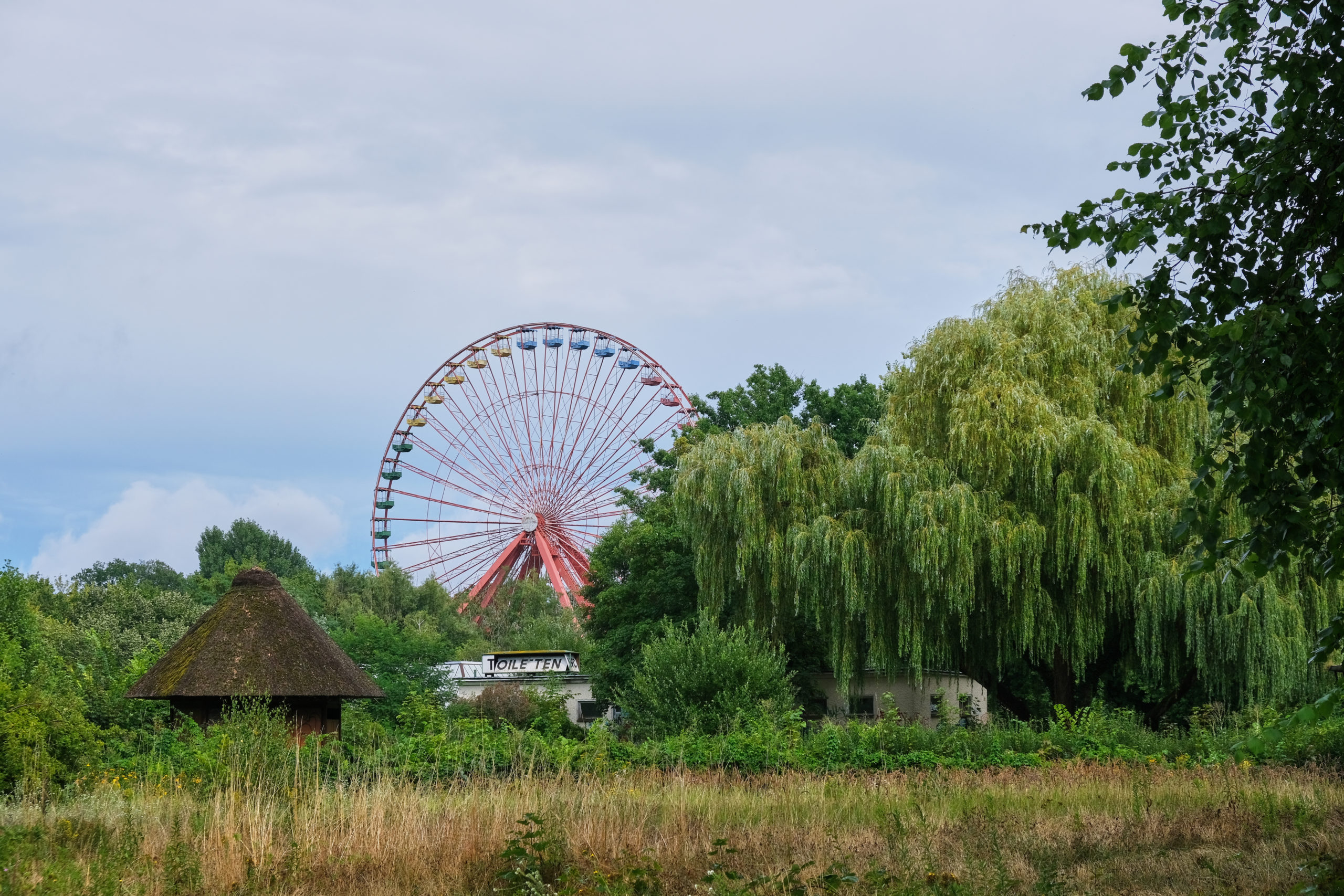
The Spreepark, originally called Kulturpark Plänterwald, was opened on October 4, 1969 as the only permanent amusement park in East Germany (DDR). During the DDR period, the park was a very popular attraction, attracting up to 1.7 million visitors each year. Its attractions included rides, roller coasters, a large Ferris wheel, and various shows, offering the citizens of East Berlin a place for leisure and entertainment.After the fall of the Berlin Wall in 1989 and the reunification of Germany, the park was privatized and in 1991 was purchased by the Witte family, well-known showmen from Hamburg. It was then that the park was renamed Spreepark and renovated with new attractions according to Western standards. Despite efforts to modernize the park, competition from new amusement parks and growing financial difficulties led to its closure in 2002.The history of Spreepark took a dramatic turn when Norbert Witte, the park’s owner, attempted to transfer some attractions to Peru to start a new project. The plan failed, culminating in a drug trafficking scandal: Witte was arrested and convicted for attempting to smuggle cocaine into Germany by hiding it in one of the park’s attractions. This event contributed to making the park’s story even more complex and fascinating.Since 2002, the park has remained closed to the public, becoming a place of decay and charm for urban explorers, photographers, and the curious. The abandoned structures and rusty rides, slowly being overtaken by vegetation, have created a surreal atmosphere that has attracted visitors from around the world, becoming a symbol of urban decay and nostalgia.In 2014, the city of Berlin acquired the park’s land, and in 2016 management was entrusted to Grün Berlin GmbH, a non-profit organization that manages the city’s green spaces. Since then, redevelopment projects have been initiated with the aim of transforming Spreepark into a new multifunctional public space that combines art, culture, and nature. This redevelopment project includes the restoration of the Ferris wheel and the creation of exhibition spaces, areas for cultural events, and nature trails.One of the most characteristic elements of Spreepark is the large Ferris wheel, 45 meters high, visible from afar and a symbol of the park. This wheel, which once offered spectacular views of the city and the River Spree, is set to be restored and integrated into the park’s new project. The restoration of the Ferris wheel represents a tangible link to the park’s past, keeping alive the memory of its glory days.The redevelopment project of Spreepark aims to create a sustainable and innovative environment that offers new cultural and recreational opportunities to the city of Berlin. One example of this transformation is the Eierhäuschen, a historic building located within the park, which has been renovated and reopened as a café and exhibition space. This building represents an example of Berlin’s ability to combine the preservation of historical heritage with innovation and urban revival.In addition to its historic structures, the new Spreepark will offer numerous activities and attractions for visitors of all ages. The park will host cultural events, art exhibitions, concerts, and creative workshops, creating a dynamic and lively environment. The nature trails and green areas will provide spaces for walks, jogging, and outdoor activities, making the park an ideal place for relaxation and recreation.
Read More