Twickenham Stadium
Europe,
United Kingdom,
citta,
Twickenham
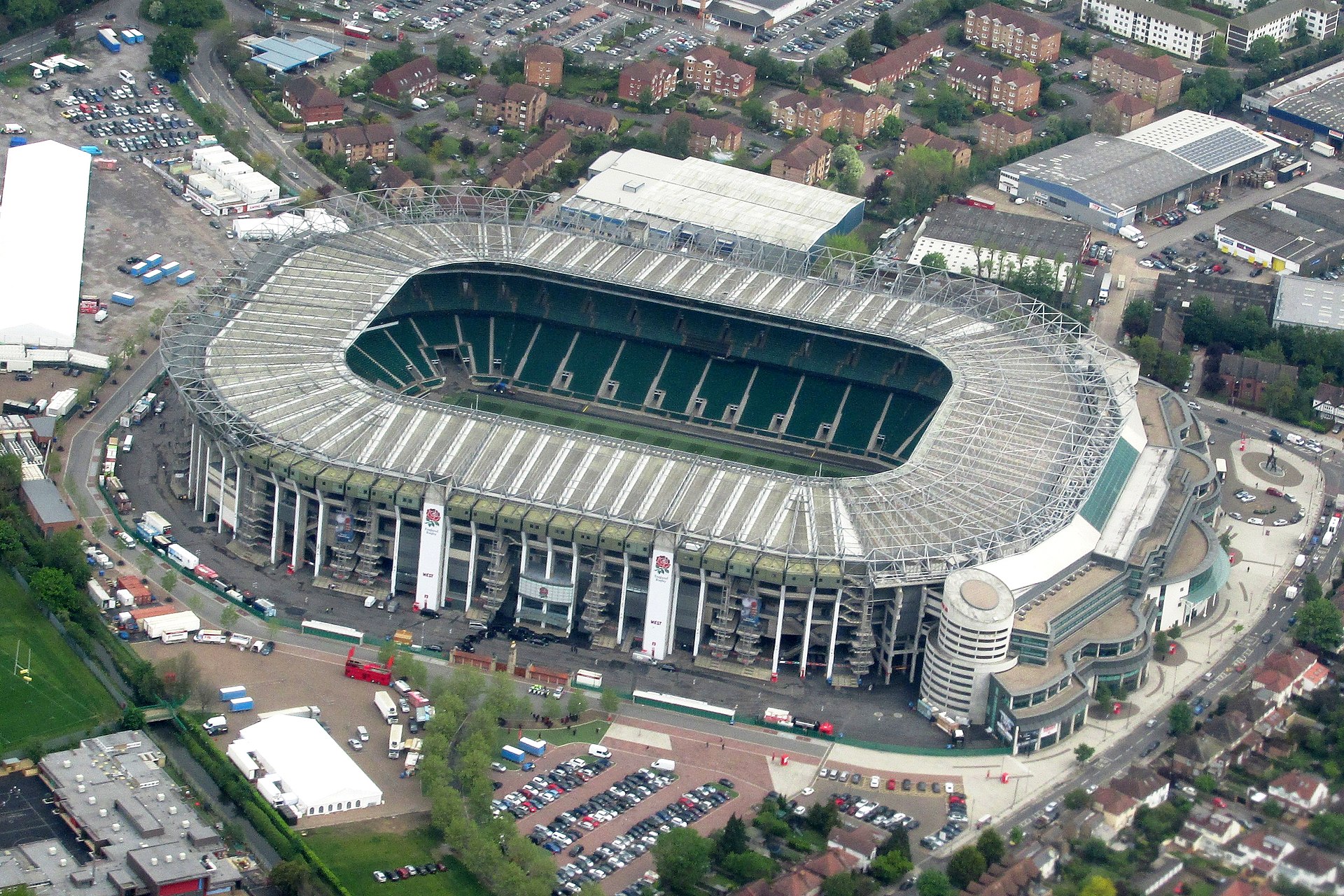
Twickenham Stadium, located in Twickenham, London, is the largest rugby stadium in the world and the second largest in the UK, with a capacity of 82,000 spectators. Inaugurated in 1909, it is known as the “home of English rugby” and represents a milestone in the history and culture of this sport.
The history of Twickenham Stadium began in the early 20th century, when the Rugby Football Union (RFU) decided to purchase agricultural land on the outskirts of London to create a playing field dedicated exclusively to rugby. The purchase of the land, then known as “Billy Williams’ Cabbage Patch,” was a visionary investment that transformed a cabbage field into a sporting icon. The first match played at the stadium was a game between Harlequins and Richmond on October 2, 1909, followed by the first international match, England against Wales, on January 15, 1910.In the following decades, Twickenham Stadium saw a series of expansions and modernizations. During the 1920s and 1930s, new stands and facilities were added to increase capacity and improve the spectator experience. The 1960s and 1970s brought further developments, including the construction of new stands and the modernization of existing infrastructure.One of the distinctive features of Twickenham is its multi-purpose use. In addition to hosting all of the English national rugby team’s home matches, the stadium has been the venue for numerous Rugby World Cup finals, with the first world tournament hosted in 1991 and again in 2015. Furthermore, the stadium regularly hosts the finals of the Premiership Rugby and Champions Cup, solidifying its status as a hub of international rugby. Another key attraction of the stadium is the World Rugby Museum, located within the Twickenham facilities. The museum, opened in 1996, offers a comprehensive overview of rugby history, with a vast collection of memorabilia, trophies, photographs, and videos. Interactive exhibits allow visitors to delve into the game’s history, exploring the origins of rugby, its global developments, and the most iconic moments of international competitions.Among the museum’s most fascinating exhibits are the stories of legendary players who have left an indelible mark on world rugby, such as Martin Johnson, Jonny Wilkinson, and Jason Leonard. The museum also organizes guided tours of the stadium, allowing visitors to explore usually inaccessible areas such as the changing rooms, press room, and playing field, offering a behind-the-scenes experience of a rugby player’s life.Twickenham Stadium also has a significant impact on the local community and youth sports. The RFU uses the stadium as a base for rugby development programs, promoting the game in schools and local clubs. Events and activities organized at the stadium provide opportunities for young players to train and compete in a professional environment, contributing to the growth of grassroots rugby.The architecture of the stadium is another element of great interest. With its modern lines and imposing structures, Twickenham represents an example of engineering excellence. The stands are designed to offer excellent visibility from every point, ensuring that every spectator can enjoy the action on the field to the fullest. Support facilities, such as restaurants, bars, and shops, are integrated in a way that enhances the overall matchday experience.
Read More