Water Museum
Europe,
Portugal,
citta,
Barbadinhos
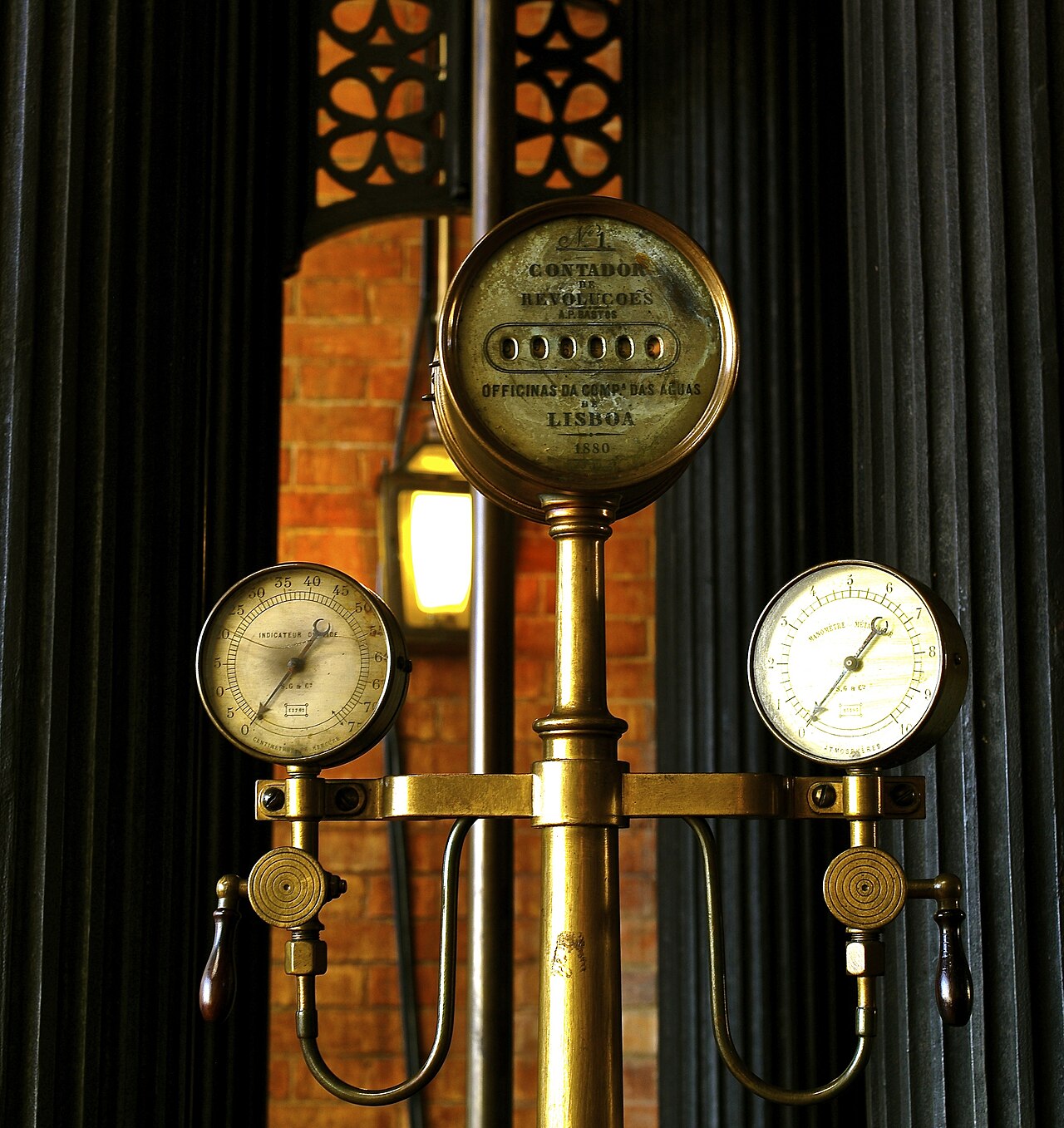
The Water Museum of Lisbon is a fascinating testimony of the history and engineering related to the city’s water supply. Located in the old steam pumping station of Barbadinhos, inaugurated in 1880, the museum offers a unique insight into water resource management and the technological evolution that has allowed Lisbon to grow and prosper.
The building housing the museum is an example of 19th-century industrial architecture, designed to accommodate huge steam engines that pumped water to the higher parts of the city. These engines, four of which are still on display, represent the beating heart of the museum. One of them has been restored and is periodically put into operation for demonstrations, giving visitors an idea of how the water supply system worked over a century ago. One of the most fascinating elements of the museum is the Aqueduct of the Free Waters (Aqueduto das Águas Livres), one of the largest engineering works of the 18th century. Built by order of King John V in 1731, the aqueduct is about 58 kilometers long and survived the devastating earthquake of 1755, demonstrating its strength and ingenuity. The monumental arches, crossing the Alcântara valley, are an impressive example of functional architecture and aesthetic beauty.The museum also includes the Mãe d’Água das Amoreiras reservoir, designed by the Hungarian architect Carlos Mardel. This imposing reservoir, completed in 1834, served as the main storage for water from the aqueduct, from which water was then distributed to the fountains, factories, convents, and palaces of Lisbon. The reservoir is a place of great suggestion, with its huge water tank and panoramic terrace offering spectacular views of the city.Another interesting component of the museum is the Loreto Gallery, one of the five underground galleries that distributed water throughout the city. This gallery, which runs for almost twelve kilometers, can be visited in some sections, allowing visitors to explore the complex system of channels that supplied Lisbon with water. An intriguing anecdote concerns the Barbadinhos pumping station: in addition to housing the steam engines, the station was a crucial point in the city’s water system until 1928. Today, the museum keeps this heritage alive, showing how past technology laid the foundation for modern water infrastructure.
Read More