Weissensee
Europe,
Germany,
citta,
Pankow
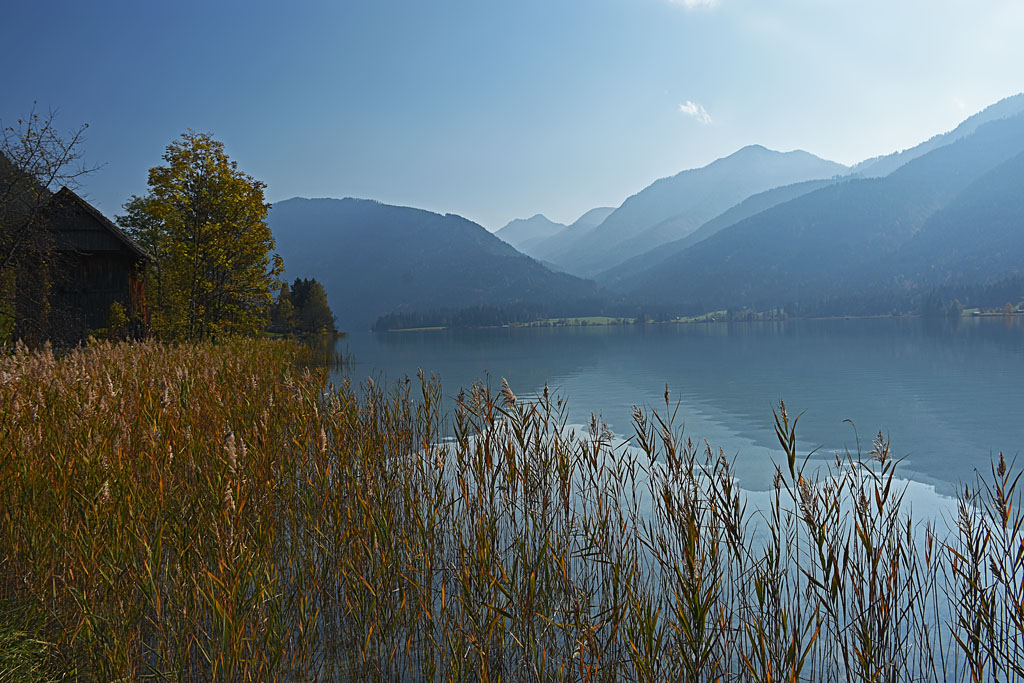
Weißensee, a neighborhood located in the northeastern part of Berlin, is a place that fascinates with its rich history, natural beauty, and vibrant social fabric. Originally an agricultural village, Weißensee is now a neighborhood that represents a microcosm of Berlin’s urban and cultural evolution. The heart of the neighborhood is the Weißer See lake, from which it takes its name, an oasis of tranquility that offers residents and visitors a refuge from the hustle and bustle of the city.
The Weißer See lake is undoubtedly the focal point of the neighborhood. Surrounded by a large park, the lake is a popular destination for those seeking relaxation and outdoor recreation. Here, Berliners can enjoy panoramic walks, picnics, or simply sit on benches to admire the landscape. During the summer, the lake becomes a lively bathing area, with a beach that offers facilities for swimming and other water sports. This natural environment not only enriches the quality of life for residents but also attracts tourists who want to discover a lesser-known side of the German capital.Historically, Weißensee has played an important role in Berlin’s development. Documents dating back to the 13th century attest to the existence of the village, which over the centuries transformed into an industrial and residential suburb. The industrial boom of the 19th century led to the construction of factories and infrastructure, radically changing the face of the neighborhood. This period of industrial expansion left a significant architectural legacy, with numerous historic buildings now housing residences, offices, and cultural spaces.Another significant aspect of Weißensee is its Jewish cemetery, one of the largest and most important in Europe. Founded in 1880, the cemetery covers an area of approximately 42 hectares and contains over 115,000 graves. This place is not only an important testimony of Berlin’s Jewish community but also an open-air museum that tells stories of life, culture, and tragedy. The cemetery is a place of memory and reflection, offering a glimpse into Berlin’s Jewish history, especially in light of the tragic events of the 20th century.Weißensee also has a vibrant artistic and cultural scene. The Kunsthochschule Berlin-Weißensee, one of the city’s leading art academies, attracts students and artists from around the world. This has helped create a creative and dynamic environment, with numerous art studios, galleries, and exhibition spaces. Weißensee artists are often involved in community projects aimed at improving the neighborhood and making it an even more stimulating and welcoming place.The neighborhood also hosts several cultural events and festivals that celebrate the diversity and creativity of the local community. Among these, the famous Berlin Film Festival has had screenings at the historic cinema in Weißensee, helping to make the neighborhood a landmark for cinema lovers. This cinema, with its vintage architecture and retro charm, is an example of how the past and present harmoniously blend in Weißensee.Weißensee is also well connected to the rest of Berlin, thanks to an efficient public transport network. Trams, buses, and bike paths facilitate travel, making the neighborhood accessible and well integrated into the broader urban context. This accessibility has helped make Weißensee a popular choice for those seeking a balance between urban life and proximity to nature.
Read More