Zeeburg
Europe,
Netherlands,
Amsterdam, citta,
Oost
Zeeburg, a neighborhood located in the eastern part of Amsterdam, is an area that encompasses a fascinating history and a vibrant mix of cultures, architectures, and social dynamics. Originally an autonomous district until its merger with Amsterdam-Oost in 2010, Zeeburg is known for its diverse areas: IJburg, Oostelijk Havengebied, and Indische Buurt, each with unique characteristics that reflect the urban and demographic evolution of the city.
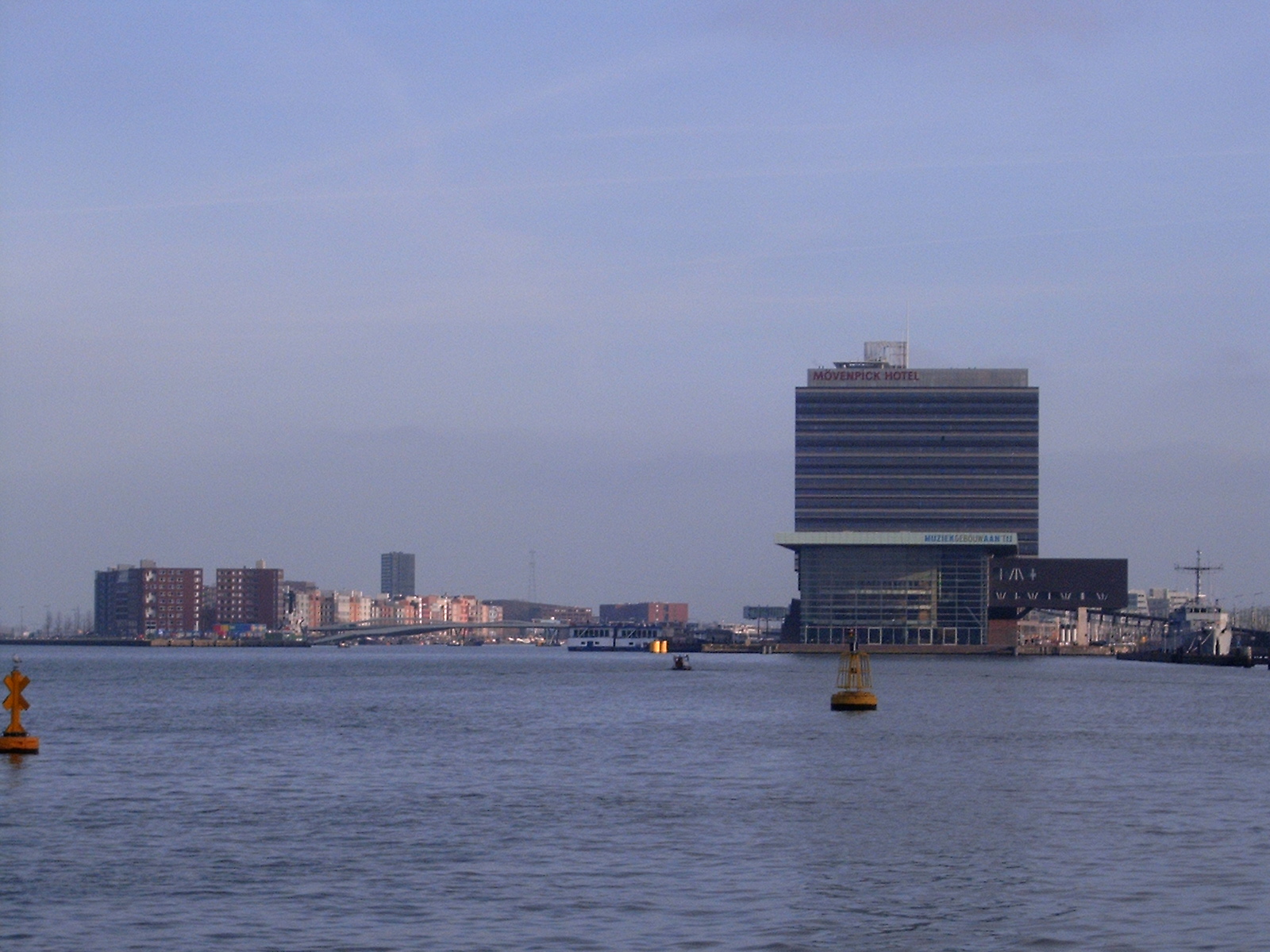
The history of Zeeburg is closely tied to its strategic location along the IJ river and its urban transformation. The name “Zeeburg” derives from the maritime fort Seeburg, built in the 17th century to protect the city from naval attacks. Over the centuries, the area has transitioned from a defensive outpost to an industrial center, and finally to a residential and cultural neighborhood. One of the most significant transformations occurred in the 1990s with the development of IJburg, a series of artificial islands constructed to alleviate Amsterdam’s housing pressure. This urban engineering project led to the creation of a modern residential area characterized by innovative and sustainable architecture, attracting middle-class families.Oostelijk Havengebied, another area of Zeeburg, is famous for its contemporary architecture and urban character. This district, developed in the old port areas, has become one of the city’s densest and wealthiest neighborhoods. The area is known for iconic buildings such as the “Pythonbrug,” a wavy bridge connecting the islands of Sporenburg and Borneo, and the “Muziekgebouw aan ‘t IJ,” a concert hall with a spectacular view of the river.Indische Buurt, on the other hand, represents the multicultural heart of Zeeburg. Historically a working-class area, this neighborhood saw a wave of immigration in the 20th century, leading to a mix of cultures, particularly Indonesian. This has created a vibrant mix of shops, restaurants, and markets that reflect the area’s cultural diversity. In recent years, the neighborhood has undergone gentrification, with improvements in housing infrastructure and the opening of new cafes and boutiques.Zeeburg also hosts the Zeeburg Jewish Cemetery, one of the largest Jewish cemeteries in Europe, founded in the 18th century. This historic resting place has been the subject of a recovery and maintenance program involving young people from the Moroccan and Jewish communities, promoting intercultural dialogue and heritage preservation. Another significant attraction in Zeeburg is Flevopark, an urban park that offers a green oasis amidst the growing urbanization. With its ponds, trails, and picnic areas, the park is a popular spot for relaxation and outdoor activities, reflecting the city’s focus on quality of life and the environment.
Read More