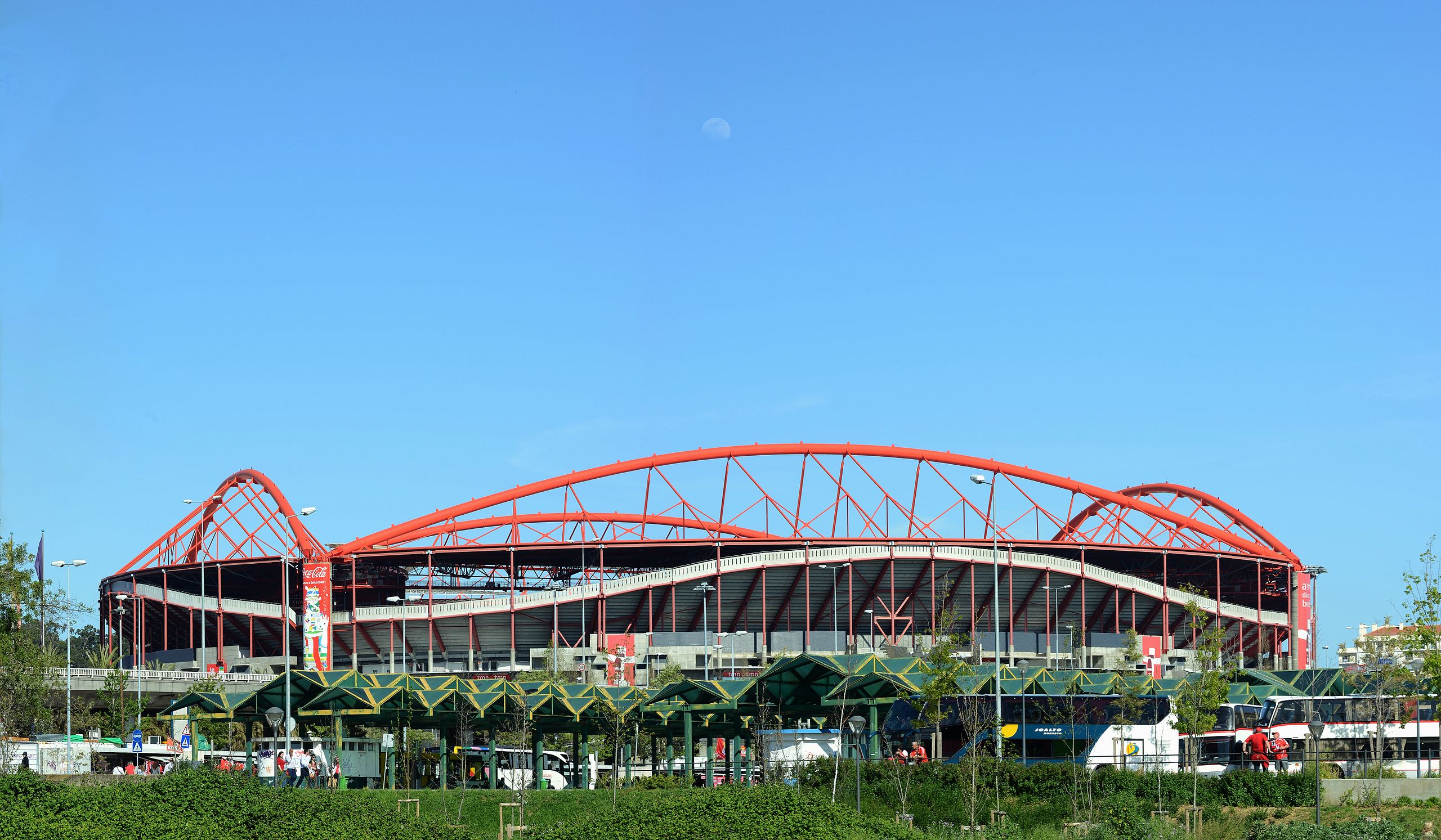
Benfica Stadium
Europe,
Portugal,
citta,
Benfica
The Estádio da Luz, officially known as the Estádio do Sport Lisboa e Benfica, is one of the most iconic stadiums not only in Lisbon, but in all of Europe. Located in the Benfica neighborhood, this imposing facility is the home of the renowned football club Sport Lisboa e Benfica, one of the largest and most successful clubs in Portugal.
The history of the Estádio da Luz begins with its first incarnation, inaugurated on December 1, 1954. This first stadium, nicknamed “A Catedral” by fans, immediately became a symbol for Benfica supporters, hosting numerous memorable moments over the decades. With an initial capacity of around 40,000 seats, the stadium was expanded in 1985 to accommodate up to 120,000 spectators, making it one of the largest stadiums in the world.
However, with the advent of new safety regulations and the need for modernization, the decision was made to build a new stadium. On March 22, 2003, the first stone of the new Estádio da Luz was laid, designed by architect Damon Lavelle. This new facility, inaugurated on October 25, 2003 with a match between Benfica and Nacional Montevideo, represents an example of modernity and functionality, capable of hosting up to 65,000 spectators.
The architecture of the new Estádio da Luz is a combination of elegance and practicality. The structure is characterized by a partially transparent roof, allowing natural light to filter through, creating a bright and open atmosphere. This design inspired the name “Stadium of Light,” a symbolic reference to hope and brightness. The stands are designed to offer excellent visibility from every point, ensuring an optimal visual experience for all spectators.
From an artistic point of view, the Estádio da Luz is adorned with artworks celebrating the history and successes of Benfica. At the main entrance, a statue of Eusébio, the legendary Benfica and Portuguese national team striker, welcomes visitors. Inside the stadium, numerous murals and artistic installations pay tribute to the most important moments in the club’s history, creating an environment that is both modern and rich in tradition. In 2004, it had the honor of hosting the final of the European Football Championship, an event that brought thousands of fans from all over Europe to Lisbon, contributing to strengthening the city’s international prestige.
One of the most fascinating anecdotes related to the Estádio da Luz concerns its impact on Benfica’s fan base. The “No Name Boys” and the “Diabos Vermelhos,” the club’s two main organized fan groups, are known for their passionate and creative support. During matches, the stadium transforms into a sea of red and white flags, with chants and choreographies creating an electrifying atmosphere, testifying to the unconditional love of the fans for their club.
From a sporting perspective, the Estádio da Luz has seen some of the greatest footballers in history pass through. In addition to Eusébio, players like Rui Costa, Nuno Gomes, and more recently, João Félix have graced the field of this stadium, writing unforgettable pages in the history of Portuguese and international football.
Read More