

Olympic Stadium Grande Torino
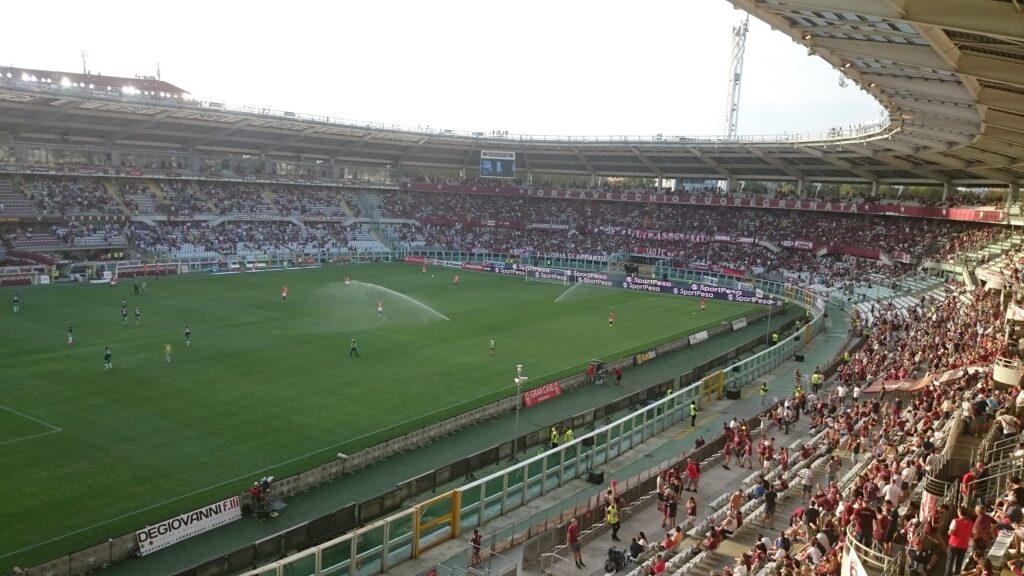
The Stadio Olimpico Grande Torino is an icon of Italian sports and a symbol of the city of Turin. Built in 1933 and inaugurated under the name Stadio Municipale Benito Mussolini, the facility was designed by engineer Riccardo Morandi and architect Enrico Bonicelli, as part of fascist urban planning. The original project included a multi-purpose […]
Roman Quadrilateral
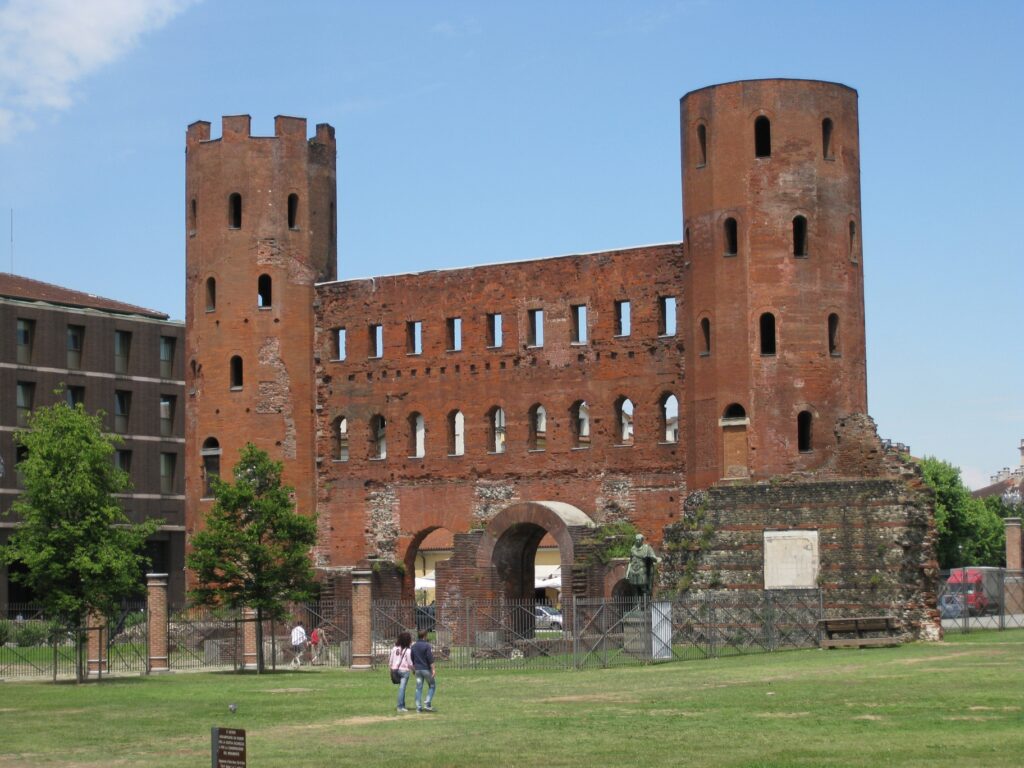
The Roman Quadrilateral of Turin is one of the most fascinating neighborhoods in the city, a place where ancient history blends with the liveliness of modern life. This neighborhood developed on the ancient Roman castrum, founded around 28 B.C. during the reign of Emperor Augustus, as a strategic point on the road to Gaul, connecting […]
Museum of Anthropology and Ethnography

The Museum of Anthropology and Ethnography of Turin, located at the University of Turin, is one of the most fascinating and historically rich institutions in the city. Founded in 1923 by Professor Giovanni Marro, the museum was established as part of the new Institute of Anthropology and has gradually expanded its collections over the years. […]
Church of San Filippo Neri
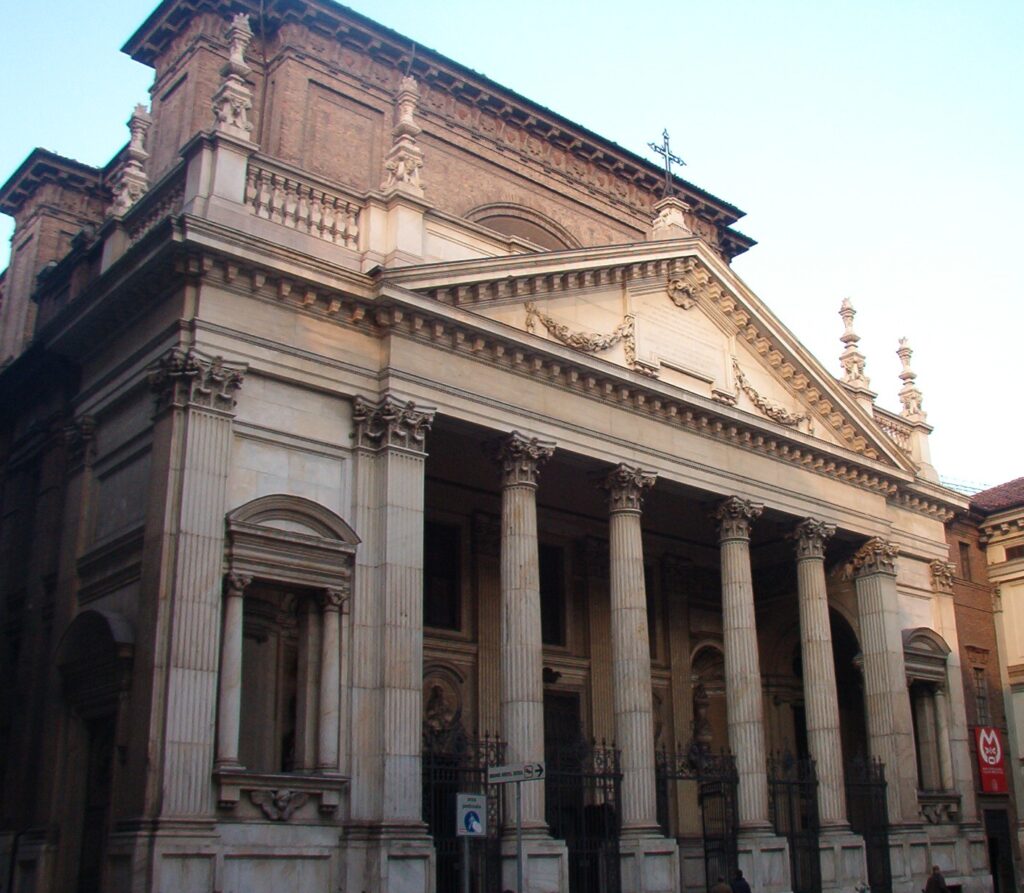
The Church of San Filippo Neri in Turin is a remarkable example of Baroque architecture and one of the most significant places of worship in the city. Located on Via Maria Vittoria, the church represents the largest religious building in Turin, with a length of 69 meters and a width of 37 meters. Construction began […]
Cinema Museum
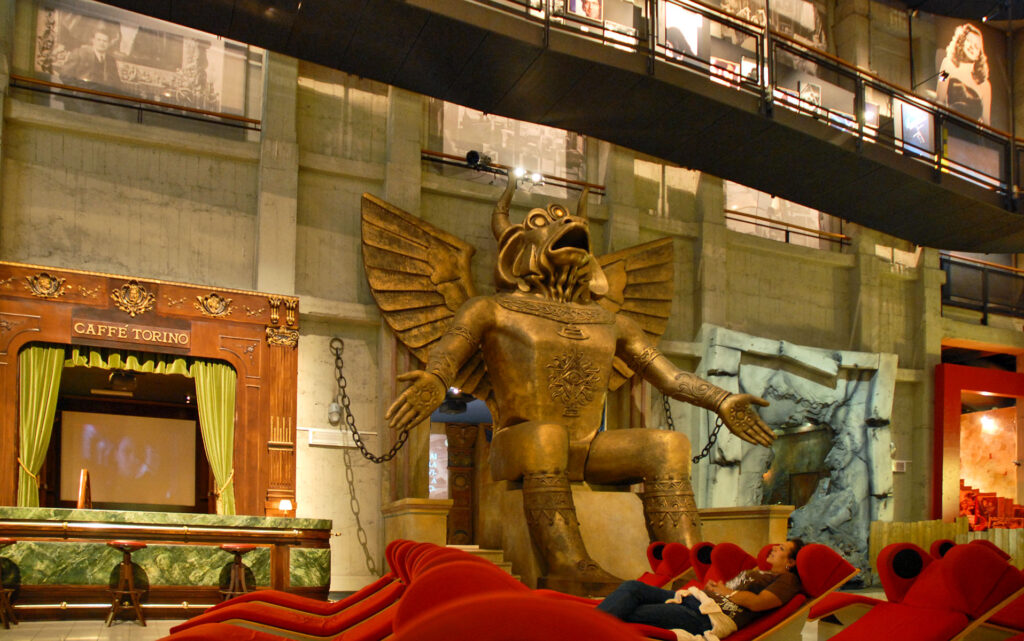
The National Cinema Museum of Turin is an institution of international relevance located in the historic Mole Antonelliana, a symbol of the city. Founded in 1958 by the cinema historian Maria Adriana Prolo, the museum represents a journey through the history of cinema, from its origins to the present day. The current headquarters in the […]
Lombroso Museum

The Cesare Lombroso Museum of Criminal Anthropology in Turin is one of the most controversial and fascinating institutions in Italy. Founded in 1876 by Cesare Lombroso himself, the museum houses a vast collection of artifacts related to Lombroso’s studies on criminal anthropology, a discipline that he himself helped create and develop. Lombroso, a physician and […]
Museum of Human Anatomy

The Museum of Human Anatomy “Luigi Rolando” in Turin represents one of the oldest and most significant anatomical collections in Europe. Founded in 1739, the museum is named after Luigi Rolando, a renowned anatomist and professor at the University of Turin, known for his studies on the central nervous system. The museum’s collection began thanks […]
Asinari di San Marzano Palace
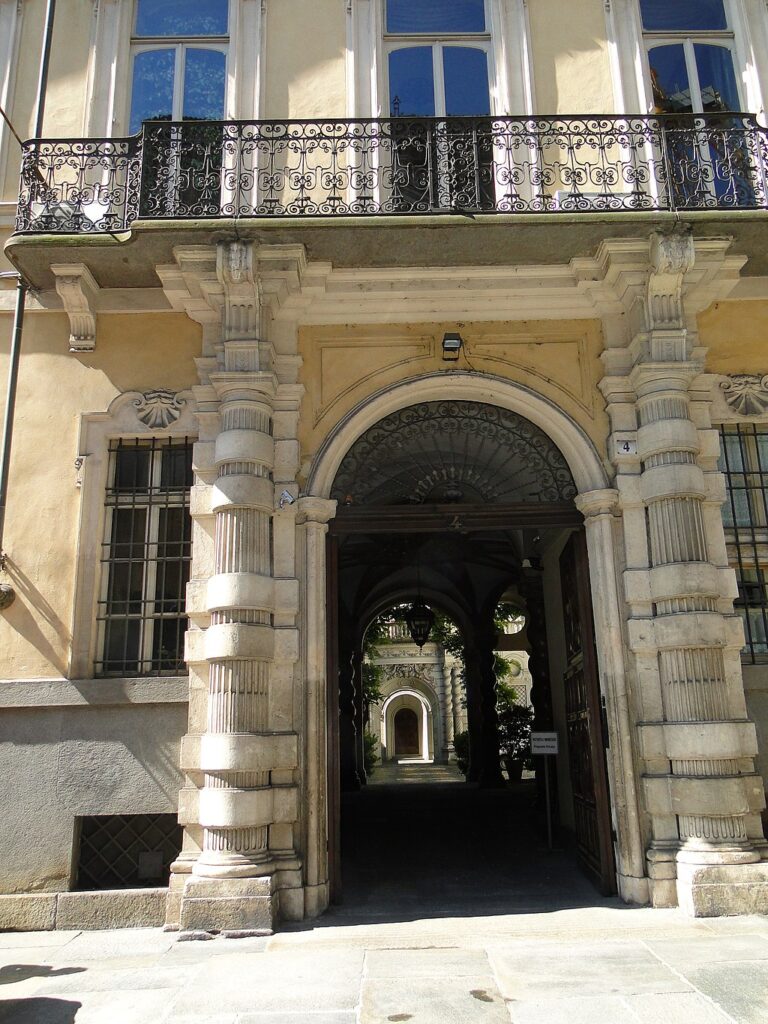
Palazzo Asinari di San Marzano, located at Via Maria Vittoria 4 in Turin, is a remarkable example of late 17th-century Baroque architecture. Built between 1684 and 1686 according to the design of architect Michelangelo Garove, the palace was commissioned by the Marquis Asinari di San Marzano. Garove, known for his role as engineer to the […]
Villa Scott
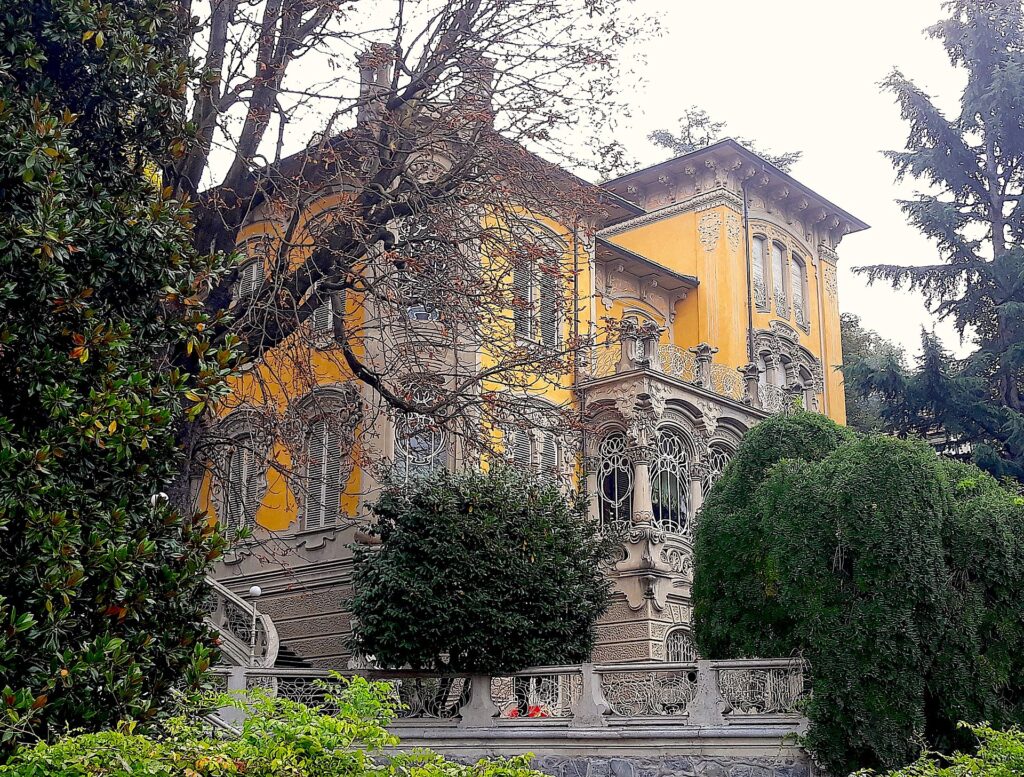
Villa Scott, located in the Cavoretto district of Turin, is a fascinating example of Liberty-style architecture, designed by engineer Pietro Fenoglio in 1902. Commissioned by Alfonso Scott, director of the Rapid automobile company, the villa represents one of Fenoglio’s most significant works, known for his influence in the development of Art Nouveau style in Italy. […]
Church of San Lorenzo
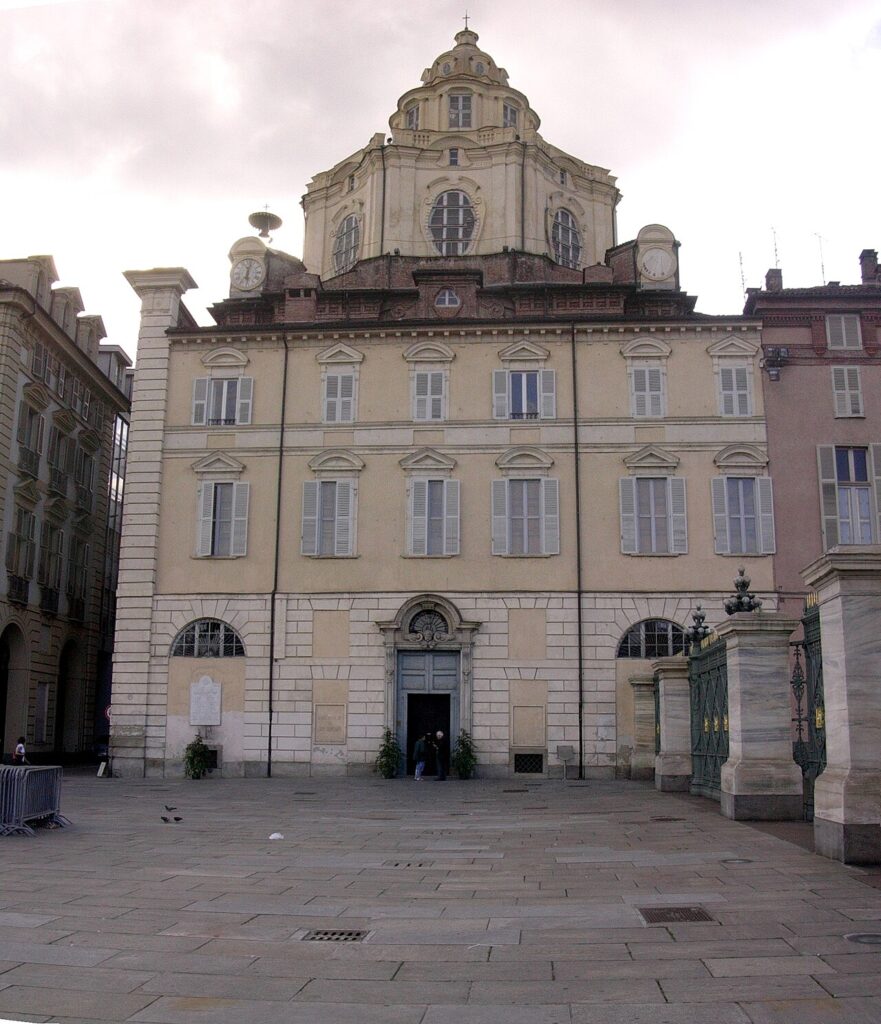
The Church of San Lorenzo in Turin, also known as the Royal Church of San Lorenzo, is one of the masterpieces of Italian Baroque and an extraordinary example of the architectural skill of Guarino Guarini. Located in Piazza Castello, the church was built between 1668 and 1687, on the initiative of Emanuele Filiberto di Savoia, […]
