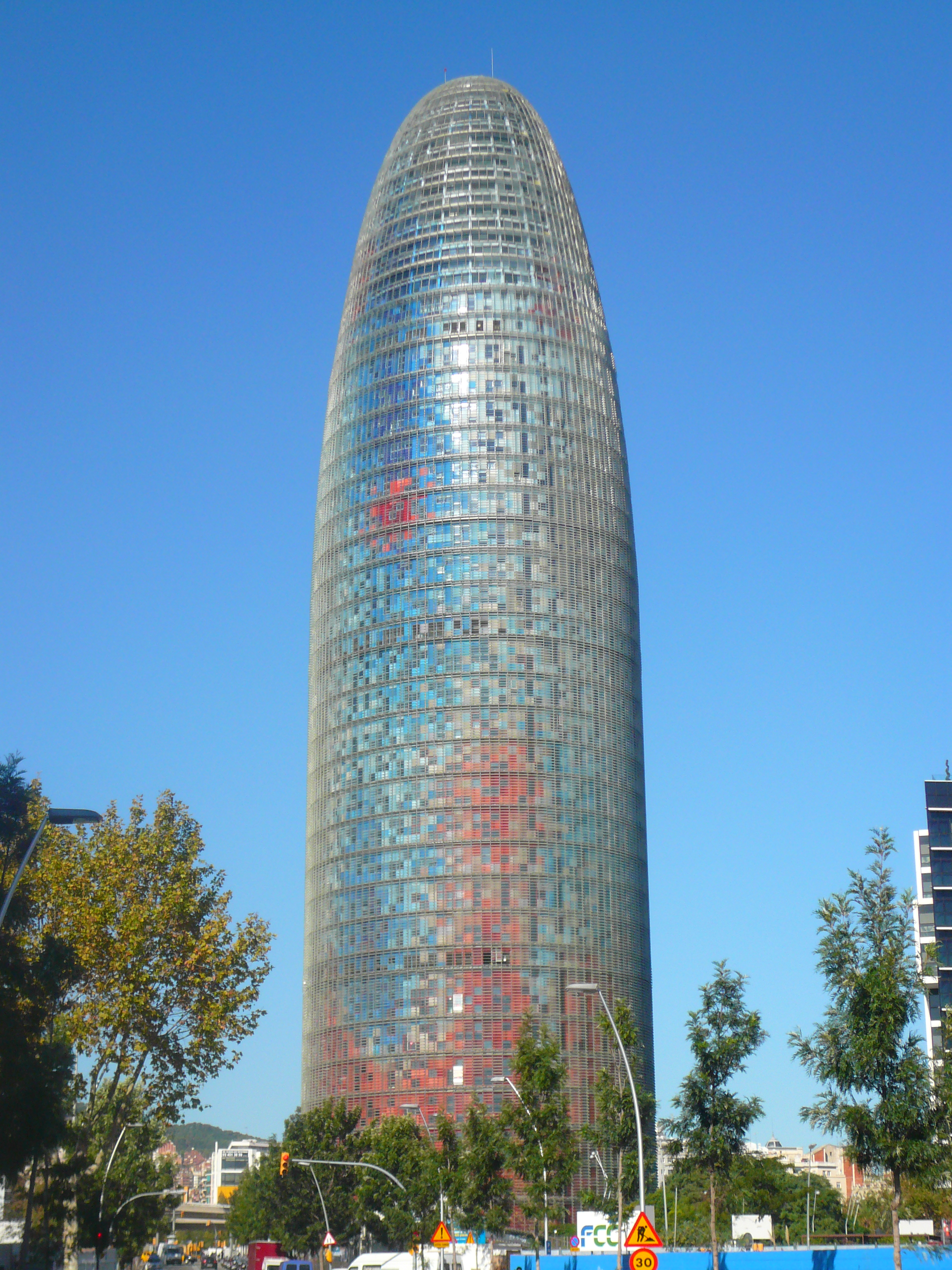
Glòries Tower
Europe,
Spain,
Barcelona,
Sant Martí
The Torre Glòries, previously known as Torre Agbar, is one of the most iconic buildings in Barcelona’s skyline. Designed by French architect Jean Nouvel in collaboration with Spanish firm b720 Fermín Vázquez Arquitectos, the tower was inaugurated in 2005 and stands at 144 meters high with 34 floors, immediately becoming a symbol of modernity and innovation.
The tower is located at the intersection of Avinguda Diagonal and Carrer Badajoz, in the technological district of 22@, an area of Barcelona that has rapidly transformed into a hub for the technology industry and start-ups. Its strategic location makes it a reference point not only physically but also symbolically, representing the dynamism and economic growth of the city.
From an architectural point of view, the Torre Glòries is a masterpiece of contemporary design. Its cylindrical and tapered shape is inspired by the mountains of Montserrat and the bell towers of the Sagrada Família, with a clear allusion to traditional water towers. The facade is made up of over 4,500 panels of colored glass, creating a changing effect depending on the daylight and weather conditions. This external cladding is also highly technological, equipped with a LED lighting system that allows the tower to be illuminated with spectacular light shows at night.
The interior of the tower is equally innovative, with a flexible and modern office space that houses companies and institutions from various sectors. The interior design is intended to maximize energy efficiency and worker comfort, with cutting-edge solutions for natural lighting, ventilation, and acoustics. The tower is LEED Gold certified, one of the highest standards for building sustainability. An interesting anecdote concerns the initial reaction of citizens to the construction of the tower. When the project was announced, the shape and design of the building sparked discussions and controversies. However, over time, the Torre Glòries has become a beloved symbol of Barcelona, demonstrating how architecture can positively influence the identity and image of a city.
Read More