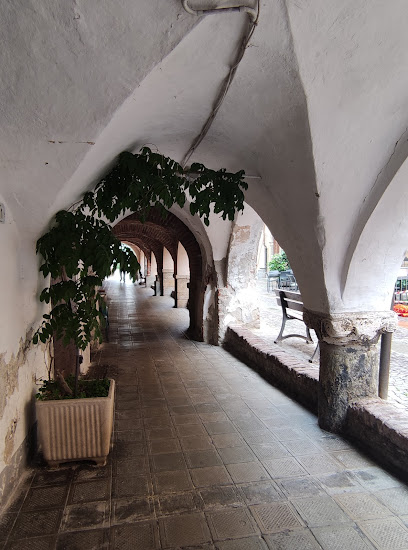
Mondovì Street – Cuneo
Europe,
Italy,
Cuneo,
Welcome to Contrada Mondovì, an enchanting place located in the province of Cuneo, in the heart of Piedmont. This area is known for its rich historical and cultural heritage, evidenced by the architecture and landscapes that tell stories of centuries of evolution and change. The contrada stands out not only for its beauty but also for the fundamental role it has played in Cuneo’s identity, a city that has roots in the Middle Ages and has developed around a strategic and innovative urban plan. Today, we will explore together these places rich in history, discovering their origins, their evolution, and the many artistic details that characterize them. The territory of Cuneo, and in particular Contrada Mondovì, has been inhabited since Roman times when the city served as an important connection point between the trade routes of northern Italy. The official foundation of the city dates back to 1198 when Cuneo obtained its first municipal charter, establishing itself as a center of free trade and craftsmanship. The contrada Mondovì developed thanks to its strategic position, a conquest that helped consolidate the city’s economic power. Over the centuries, Contrada Mondovì underwent numerous changes. During the 14th century, the city experienced significant urban transformations due to the need to defend itself from external attacks, particularly from the French armies. This led to the construction of fortifications and the creation of public spaces, many of which are still visible today. In the 15th century, Cuneo became part of the Duchy of Savoy, which profoundly influenced the architecture of the contrada. The buildings took on more Renaissance styles, incorporating decorative and architectural elements typical of this period. Between the 17th and 18th centuries, Contrada Mondovì continued to evolve, with the addition of churches and noble palaces that today enrich the urban landscape. A significant restoration took place in the 19th century when architect Giovanni Battista Viotti worked to preserve and renovate some of the historic buildings, mitigating the damage caused by the passage of time and wars. Today, Contrada Mondovì is a jewel of history and culture that offers a snapshot of life and art from past epochs. Let’s begin our tour from a significant point in the contrada. Proceeding along the main street, we notice the facade of the Church of San Filippo Neri, which is on our left. This building, constructed in the 17th century, is an excellent example of Piedmontese Baroque architecture. Its facade is characterized by sumptuous decoration and an imposing portal, reflecting the grandeur of the period. Continuing on our way, we come across Palazzo Gambaro, located on our right. This noble palace was built in the 16th century and features elements of transition between Renaissance and Baroque styles, evident in its balconies and stucco finishes. It is interesting to note that the structure houses some frescoes that recount the history of the noble families who lived there. If we head towards the center of the contrada, we find ourselves in Piazza San Giovanni, the vibrant heart of city life. Here we can observe the Church of San Giovanni Battista, whose interiors are characterized by stunning frescoes, a glaring example of sacred art from the 17th century. Some of these frescoes have been attributed to local painters who collaborated with nationally renowned artists. Now let’s move towards the market, which takes place every Thursday. Here, you will notice a lively atmosphere and sounds that make the contrada even more vibrant. In addition to the stalls of fresh products, the surrounding architecture, with its historic shops and the charm of ancient structures, creates a fascinating mix of modernity and tradition. We cannot forget the numerous architectural details that punctuate the landscape of Contrada Mondovì. To our right, observe the carved frames on the balconies, a precious example of local craftsmanship. These artisanal details reflect an era when every detail mattered and every small element contributed to the harmony of the whole. As we approach the end of our journey, a stop at the Belvedere of Cuneo is obligatory. From here, the view stretches across the Alps and the surrounding plains, perfectly framing the panorama that has fascinated artists and visitors over the centuries. It is the ideal place to reflect on the history of Contrada Mondovì and to gain a better understanding of how this corner of Piedmont has managed to keep its identity alive. Contrada Mondovì is not just a neighborhood steeped in history, but it is also part of a much larger urban context. Its strategic position within Cuneo makes it an ideal starting point for discovering further attractions. Just a few steps away, we find the Civic Museum, which houses a rich collection of artworks and historical artifacts. This museum is a key element for a better understanding of the city’s history and culture, with exhibitions ranging from ancient art to contemporary works. Moreover, not far from Contrada Mondovì, lies the Gesso and Stura River Park. This green space is an excellent area for walking and outdoor activities, providing a fascinating contrast with the historic architecture of the contrada. Finally, it is worth visiting the fortress of Cuneo, an emblematic example of military architecture dating back to the period of Savoy domination. The fortress played a crucial role in the city’s defenses and today is a place of historical interest for visitors. An interesting aspect of Contrada Mondovì is the local traditions that have been maintained over time. One such event is the Snail Fair, held every year, celebrating local culinary specialties. The fair is not only a festive occasion but also a celebration of Piedmontese gastronomic culture. Another curiosity concerns the local dialect, which is particularly rich and distinctive. In this area, linguistic origins are deeply rooted in traditions, and dialectal expressions offer a glimpse into daily life and the traditions of the community. Finally, we cannot overlook the importance of the Contrada in local sports, particularly in cycling. Cuneo is often included in the routes of major cycling competitions, a connection that unites history and collective sporting activity and keeps the city’s image alive. We invite you to continue your discovery with a visit to the Civic Museum, which will further enrich your experience, and to stroll through the Gesso and Stura River Park to enjoy the beauty of the surrounding nature!
Read More