Saint Anne Park
Europe,
Ireland,
citta,
Raheny
Saint Anne’s Park, located between Raheny and Clontarf in the north of Dublin, is a vast green area of 240 acres that offers a tranquil and picturesque refuge for residents and visitors. This municipal park, the second largest in Dublin, has a rich and varied history, closely linked to the famous Guinness family, known for their beer.
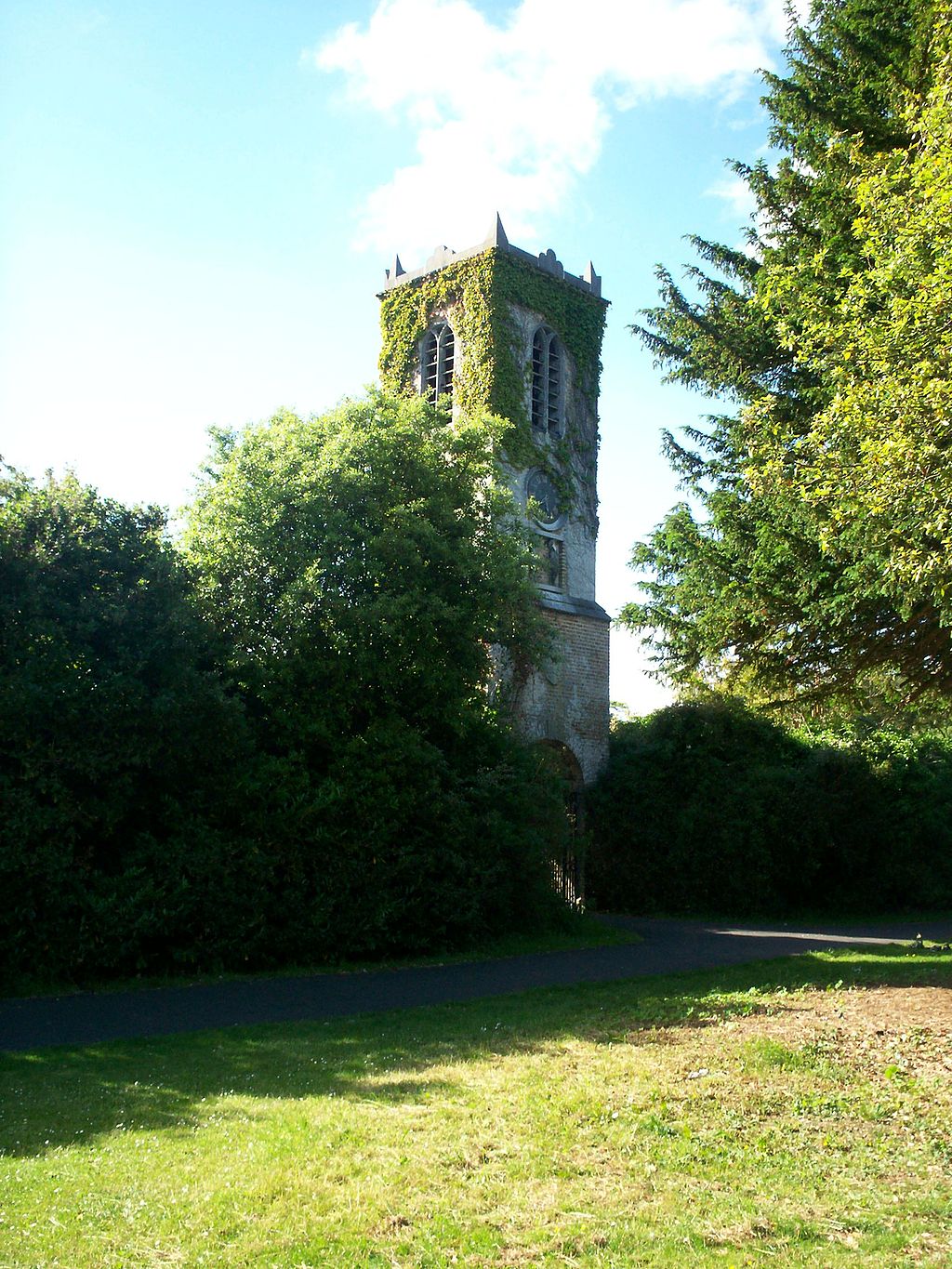
The area on which the park stands was originally part of a larger estate purchased by the Guinness family in 1835. Benjamin Lee Guinness, a prominent member of the family and a notable figure in Irish society, bought the estate from Sir Thomas Lighton. He decided to rename his new residence “St. Anne’s” in honor of a sacred well present on the grounds, a tradition of Christian devotion dating back to the Celtic era.Over the years, the estate was expanded and enriched by the successors of Benjamin Lee Guinness, particularly by his son Arthur Edward Guinness, known as Lord Ardilaun. Lord Ardilaun undertook an ambitious renovation project in 1873, transforming the Georgian villa into a sumptuous palace in the Italian Renaissance style. His vision included the creation of elaborate “follies” – decorative structures such as temples, grottos, and bridges, which added a touch of exoticism and romantic charm to the landscape.Among the most notable features of the park are its formal gardens, particularly the Rose Garden. This space, opened to the public in 1975, is internationally famous and hosts the annual Rose Festival every July. During this period, the garden is an explosion of colors and scents, with roses of every variety blooming in all their magnificence, attracting gardening enthusiasts and casual visitors from all over the world.Another attraction of the park is the Red Stables Art Centre, located in the old Victorian stables of Lord Ardilaun. These beautifully restored structures now host a local food market every Saturday, where fresh, artisanal, and organic products can be found. Additionally, the center offers spaces for local artists and hosts various cultural events and workshops.The paths that traverse the park, lined with centuries-old oaks, pines, and a variety of exotic shrubs, are perfect for relaxing walks and jogging. The Naniken River, which flows through the park, adds an additional element of serenity, with its course feeding an ornamental pond before flowing into the sea. Recently, the Dublin City Council has initiated works to restore some parts of the river to their natural state, creating new habitats for wildlife and wildflower meadows.Another historical point of interest in the park is the Roman-style watchtower, designed by Lord Ardilaun himself based on the model of the Tomb of the Julii in St Remi, France. This structure, along with the other follies in the park, testifies to Lord Ardilaun’s passion for classical art and architecture.However, Saint Anne’s Park has not always enjoyed its current splendor. After the estate was sold to the Dublin Corporation in 1939, the old residence was unfortunately destroyed by a fire in 1943. In the following years, the park went through a period of decline and neglect. It was only thanks to the conservation and restoration efforts initiated by the city council in recent decades that the park has returned to its former glory.
Read More