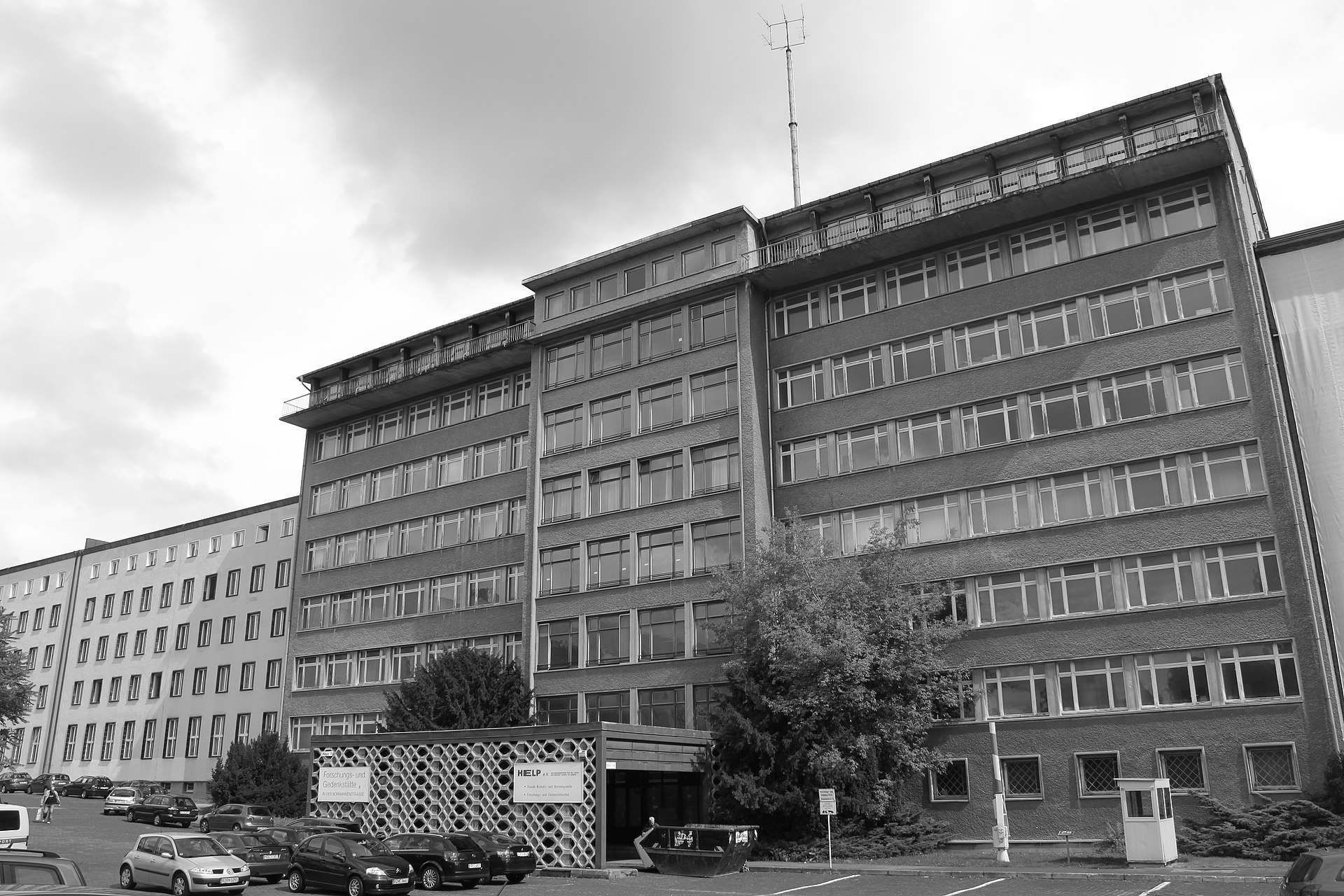
Stasi Museum (Stasimuseum)
Europe,
Germany,
citta,
Lichtenberg
The Stasi Museum in Berlin, located in the former headquarters of the Ministry for State Security of East Germany, is a vivid and unsettling testimony to the recent history of Germany. The museum is located at Normannenstraße 20, in the Lichtenberg district, and occupies a complex of buildings known as Haus 1, once the heart of Stasi operations. Opened in 1990, the museum offers an in-depth look at the operations, tactics, and impact of the Stasi, the espionage and secret police organization that controlled daily life in the GDR (German Democratic Republic) from 1950 to 1990.
The architecture of the museum reflects its dark and austere past. The buildings, built in a functional and ornament-free style, were designed to be efficient and intimidating. Upon entering the museum, visitors are immediately struck by the cold and bureaucratic atmosphere that permeates the corridors and rooms, a vivid reminder of the oppressive power that the Stasi exerted over the citizens of East Germany.One of the most impressive sections of the museum is the office of Erich Mielke, who was the Minister of State Security from 1957 until the fall of the Berlin Wall in 1989. His office, left intact, offers a frozen-in-time image of the power and paranoia that characterized the DDR regime. Mielke’s desk, with its dedicated phones, confidential documents, and sober furnishings, is a powerful symbol of the pervasive control exercised by the Stasi.The museum is organized into different thematic areas that explore various aspects of Stasi work. One of the most unsettling sections is dedicated to surveillance and espionage techniques. Here, visitors can see a wide range of devices used to monitor and control the population, such as hidden microphones, disguised cameras, and tools for opening letters. These devices, many of which may seem rudimentary compared to modern standards, were part of a complex control system that allowed the Stasi to maintain close surveillance over millions of citizens.Another key aspect of the museum is the documentation of psychological operations, known as “Zersetzung,” which aimed to destabilize and disintegrate the lives of people considered enemies of the state. Through testimonies and original documents, the museum shows how the Stasi manipulated personal relationships, destroyed careers, and sowed psychological terror to maintain control. These subtle and devastating methods are illustrated through specific cases, offering a deep understanding of the human impact of Stasi operations.The Stasi Museum not only showcases the tools of control and repression but also explores the resistance and courage of those who opposed the regime. The section dedicated to dissent movements and escape attempts is particularly moving, with stories of people who risked everything to seek freedom. The testimonies of dissidents, photographs of demonstrations, and personal belongings of fugitives provide a human counterpoint to the cold efficiency of the surveillance system.The museum also houses a vast collection of archives, including millions of documents collected by the Stasi during its forty years of activity. These archives, containing information on millions of citizens, were partially opened to the public after the reunification of Germany and are used for both historical research and the rehabilitation process of victims of state surveillance. Visitors to the museum can see examples of these documents and understand the enormous scope of information gathering carried out by the Stasi.One of the most significant anecdotes regarding the Stasi Museum is related to the discovery of the archives after the fall of the Berlin Wall. In the turmoil of 1989, as the GDR regime crumbled, the citizens of East Berlin stormed the Stasi complex to prevent the destruction of documents. This act of collective courage allowed for the preservation of a vast amount of evidence that is now displayed in the museum, offering an invaluable resource for understanding the history of the GDR.
Read More