Subsoils of Berlin (Berliner Unterwelten)
Europe,
Germany,
citta,
Gesundbrunnen
In the heart of Berlin, the Gesundbrunnen district hides beneath its streets an intricate network of tunnels, bunkers, and secret passages that tell stories of war, survival, and urban transformation. The Berliner Unterwelten museum, dedicated to exploring these underground spaces, offers visitors a unique immersion into the lesser-known history of the city. Founded in 1997, the Berliner Unterwelten e.V. is an association that focuses on documenting and preserving Berlin’s underground structures, making these fascinating and mysterious places accessible to the public.
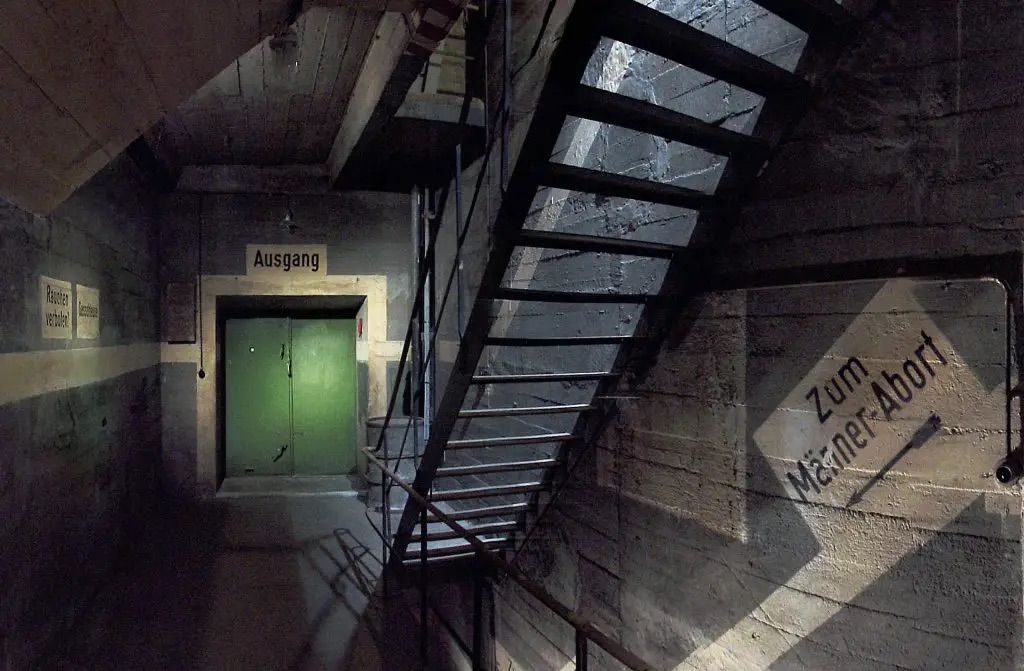
The history of Berlin’s underground spaces is relatively recent compared to other European metropolises. It was only in the second half of the 19th century that, due to the high water table and glacial deposits, Berlin’s underground began to be more intensively utilized. Before that, the marshy and unstable ground made any deep construction difficult. The first large underground structures were built by breweries, which constructed deep cellars up to 18 meters for beer fermentation and cooling, mainly in the neighborhoods of Prenzlauer Berg and Kreuzberg.With the population growth and industrialization of Berlin, the need to develop underground infrastructure became increasingly urgent. Starting in 1852, the city began to build a water supply system, and in 1873, the construction of the sewer network began. These works were essential to improve the city’s sanitary conditions, which were severely affected by cholera and typhoid epidemics. Not only were the first sections of the sewer system put into operation in 1876, but the Berlin pneumatic post was also introduced to facilitate rapid communication within the city. In 1888, the first electric street lighting was turned on, and by 1895, most of the urban supply systems had been buried underground.The beginning of the 20th century saw Berlin grow rapidly. After the founding of the German Empire in 1871, the city became the nerve center of the new kingdom and experienced an unprecedented building boom. The crowded streets and increased traffic demanded innovative solutions, and two major electric companies, AEG and Siemens, competed to build an underground transport network. In 1899, Siemens was tasked with building the subway, which was inaugurated in 1902 with the first station at Potsdamer Platz.Today, the Berliner Unterwelten offers various guided tours that allow visitors to explore these underground structures. One of the most fascinating is the visit to the Gesundbrunnen bunker, built during World War II as an air-raid shelter for civilians. This bunker, known as “Bunker B,” has been preserved in an authentic state, offering a glimpse into life during Allied bombings. Visitors can see the narrow and cold rooms, understand the living conditions of the refugees, and admire the exhibitions that illustrate the historical and technological aspects of the war.The Fichtebunker, a former gasometer transformed into a bunker during the war, is another point of great interest. Used to accommodate thousands of mothers and children during nighttime raids, the Fichtebunker tells stories of fear, hope, and survival. After the war, it was used as a refugee reception center and later as a food reserve warehouse during the Cold War period.One of the most intriguing aspects of the Berliner Unterwelten is the permanent exhibition “Myth of Germania,” which explores Hitler and architect Albert Speer’s grand plans to transform Berlin into the imperial capital of the Third Reich. Through models, documents, and artifacts, the exhibition analyzes the Nazi regime’s architectural ambitions and the crimes committed to realize these projects, including deportation and forced labor.Guided tours also include explorations of escape tunnels used during the Cold War to pass from East Berlin to West Berlin, offering further insight into the city’s recent history. These tunnels, built with ingenuity and desperation, represent stories of courage and freedom.
Read More