The Villette
Europe,
France,
citta,
XIX arrondissement
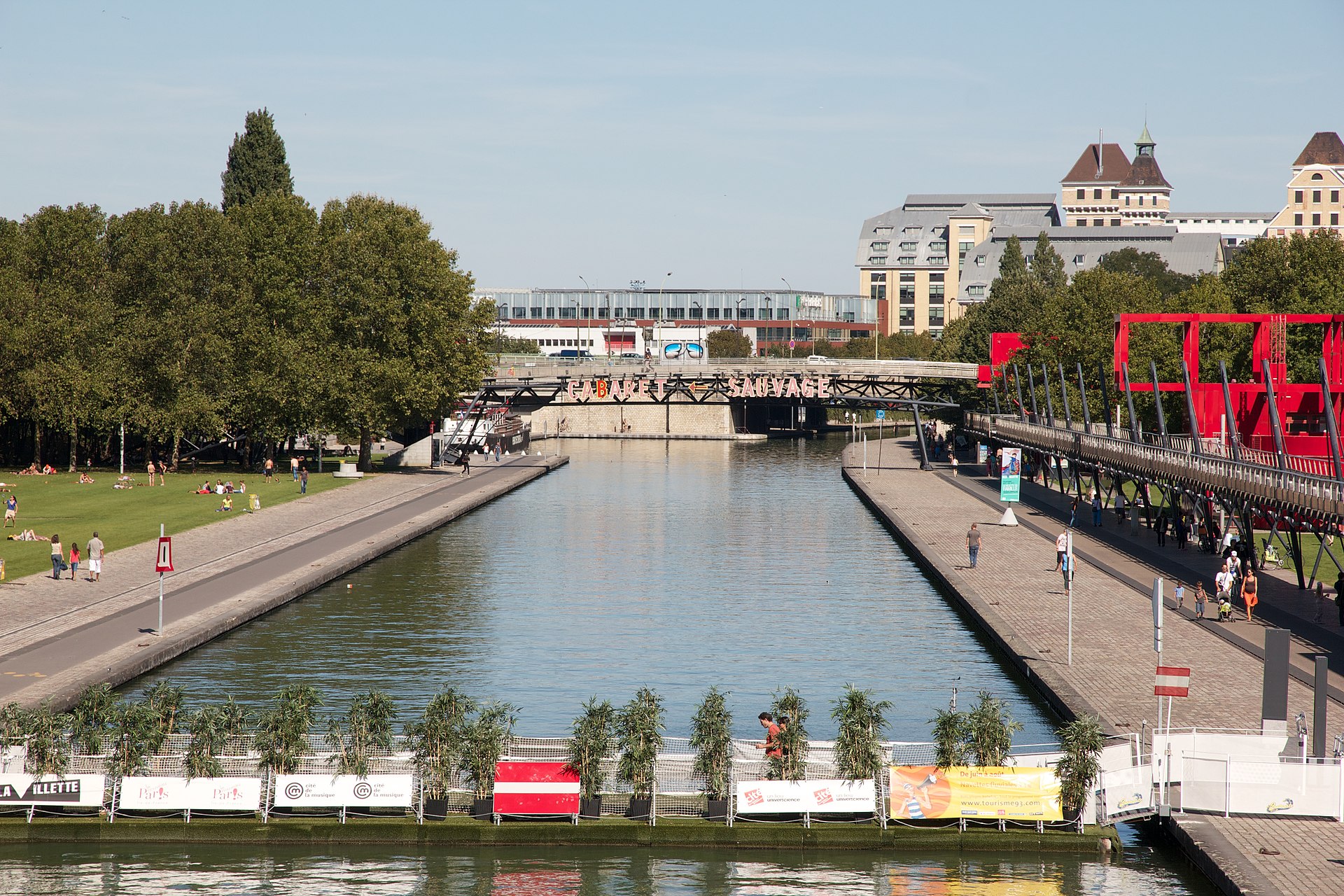
La Villette, located in the 19th arrondissement of Paris, is an area that represents a perfect combination of history, modern architecture, and cultural dynamism. Originally an area dedicated to the city’s slaughterhouses, it was completely transformed starting in the 1970s into one of the largest and most innovative urban parks in the French capital, Parc de la Villette.
The history of La Villette as a center for slaughterhouses dates back to 1867, when Napoleon III decided to centralize all activities related to cattle slaughter and meat processing in this area. This industrial project had a significant impact on the economic and demographic growth of the neighborhood, which remained an important commercial area until the closure of the slaughterhouses in the 1970s.In 1984, President François Mitterrand launched an ambitious urban redevelopment project, commissioning the transformation of La Villette into a multifunctional park. Swiss architect Bernard Tschumi won the international competition for the project and designed a park that combined green spaces, recreational areas, artistic installations, and cultural facilities. Parc de la Villette, inaugurated in 1987, covers 55 hectares and hosts a series of attractions that make it a hub for culture and leisure in Paris.One of the main attractions of the park is the Cité des Sciences et de l’Industrie, the largest science museum in Europe. Inaugurated in 1986, this modern structure offers interactive exhibitions on science and technology, a planetarium, a submarine, and an IMAX cinema. The Cité is a perfect example of how architecture can be combined with scientific dissemination, offering a unique educational experience to its visitors.Also within the park is the Grande Halle de la Villette, a former slaughterhouse converted into a multifunctional cultural space. Today, the Grande Halle hosts concerts, theatrical performances, fairs, and exhibitions, keeping the historical memory of the place alive through innovative use of the spaces.Another point of interest is the Philharmonie de Paris, a concert hall inaugurated in 2015 and designed by architect Jean Nouvel. This structure quickly became an icon of modern architecture and a reference point for classical music enthusiasts, thanks to its exceptional acoustics and avant-garde design.La Villette is also known for its themed gardens and outdoor art installations, making the park an open-air museum. Among the most notable works are the Passageways Gardens, a series of labyrinthine paths that play with the concept of space and perception, and the follies, red structures scattered throughout the park that serve as architectural and functional landmarks.Socially and culturally, La Villette represents a model of inclusivity and accessibility. The park is a meeting place for people of all ages and backgrounds, offering activities ranging from outdoor cinema to electronic music festivals, from dance performances to craft markets. This multidisciplinary approach reflects the idea of an urban park as a space for social and cultural integration.
Read More