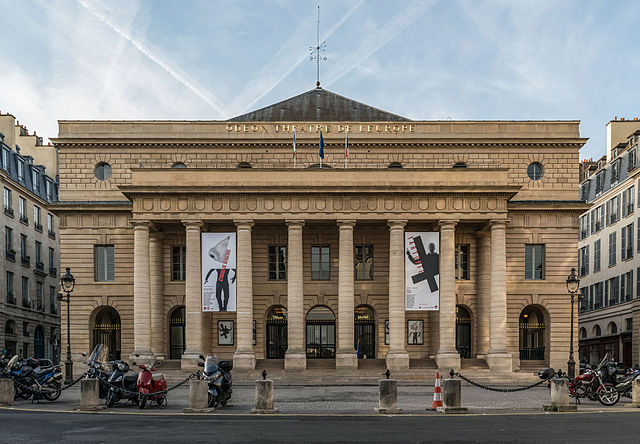
Theater of the Odéon
Europe,
France,
Marseille,
Castellane
The Théâtre de l’Odéon in Marseille, located in the heart of the Castellane district, is one of the city’s most historic and fascinating theaters. Its history dates back to 1928, when it was built to meet the growing cultural and entertainment needs of the city. Designed by the Marseille architect Eugène Chirié, the theater is a fine example of Art Deco architecture, characterized by elegant lines and an imposing facade.
Since its opening, the Théâtre de l’Odéon has played a central role in Marseille’s cultural life. Originally conceived as a cinema-theater, the Odéon could host theatrical performances, concerts, and film screenings, quickly becoming a reference point for art and culture lovers. Its programming ranged from variety shows and operettas to art films and symphonic concerts, offering a wide range of entertainment for all tastes.
During the 1930s and 1940s, the Théâtre de l’Odéon became one of the most popular venues in the city, attracting a diverse and cosmopolitan audience. The elegant and refined atmosphere of the theater, with its decorated interiors and large stage, helped solidify its reputation as one of Marseille’s best theaters. In the 1950s, the Odéon was one of the first theaters in the city to equip itself with a Cinemascope film projector, an innovation that attracted many cinema enthusiasts.
Despite initial success, the theater went through periods of economic difficulties and management changes that put its existence at risk. However, thanks to the intervention of enthusiasts and supporters of local culture, the Théâtre de l’Odéon underwent a major restoration in the 1980s, preserving its architectural integrity and relaunching its artistic activity.
The restoration brought to light many of the original decorative elements, including mosaics and colored stained glass windows, giving the theater a unique and timeless charm. Structural interventions also improved the acoustics and functionality of the spaces, making the Odéon an ideal venue for a wide range of performances, from classical music concerts to contemporary theatrical productions.
One of the most fascinating aspects of the Théâtre de l’Odéon is its ability to adapt to changes without losing its historical identity. Over the years, the theater has hosted internationally renowned artists, emerging directors, and innovative theater companies, helping to keep Marseille’s cultural scene alive. Among the most memorable performances that have graced its stage are the shows of theater legends like Sarah Bernhardt and concerts by famous musicians like Edith Piaf. An interesting anecdote concerns the legend that the theater is frequented by the ghost of an old projectionist, who is said to make his presence felt by turning the lights on and off during screenings. Although there is no concrete evidence of these apparitions, the story adds a touch of mystery and charm to the theater, making it even more intriguing for visitors.
From a political and social perspective, the Théâtre de l’Odéon has gone through various historical phases that have marked its evolution. During World War II, the theater remained open, offering a cultural refuge in a period of great difficulty. Subsequently, in the 1960s and 1970s, the Odéon was a meeting place for emerging artistic and cultural movements, becoming a symbol of freedom of expression and creativity.
Today, the Théâtre de l’Odéon is a reference point for Marseille’s cultural scene and a meeting place for artists and enthusiasts. Its programming continues to be diverse and of high quality, offering performances ranging from classical music to contemporary theater, from art cinema to jazz concerts. The theater’s management, attentive to the needs of the public and to new artistic trends, ensures a continuous evolution and constant renewal.
Read More