Museum of Anthropology and Ethnography
Europe,
Italy,
citta,
San Salvario
The Museum of Anthropology and Ethnography of Turin, located at the University of Turin, is one of the most fascinating and historically rich institutions in the city. Founded in 1923 by Professor Giovanni Marro, the museum was established as part of the new Institute of Anthropology and has gradually expanded its collections over the years. Marro, known for his studies in anthropology, began collecting numerous anthropological artifacts, many of which came from archaeological excavations conducted in Egypt. The museum was initially located in two rooms on the mezzanine of the Palazzo Carignano, but in 1936 it was moved to the former San Giovanni Battista hospital, gaining more space for its growing collections.
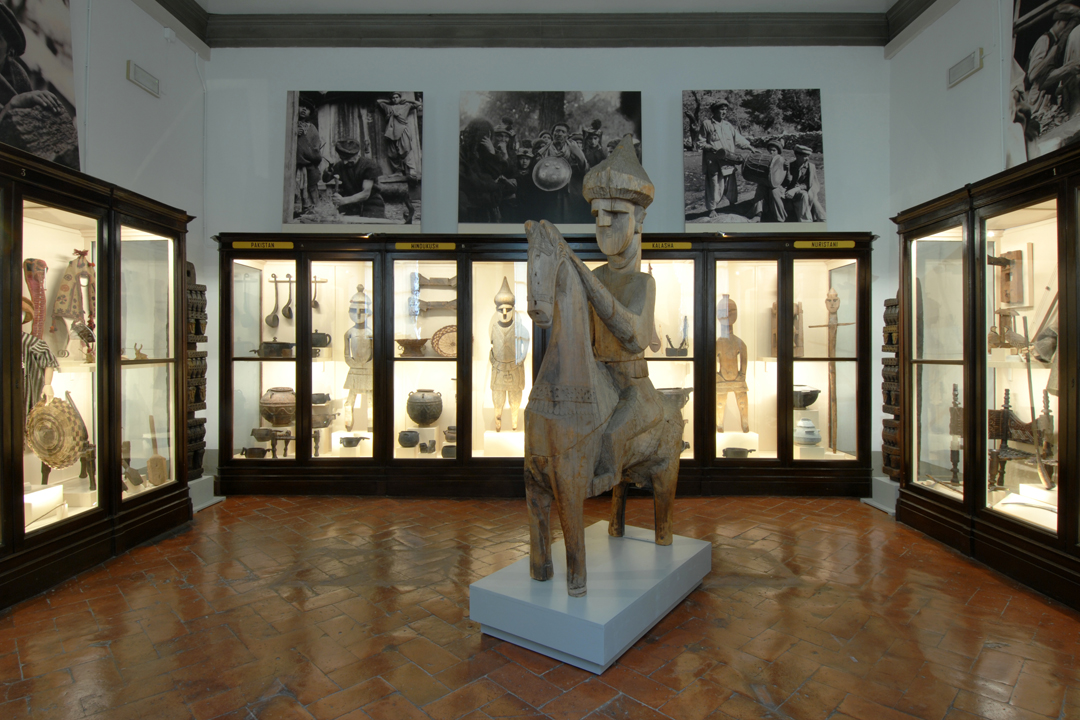
The museum’s collection is extremely diverse and includes human remains, skeletons, isolated skulls, and mummified or embalmed bodies from different historical and geographical periods. One of the core collections is made up of human remains from ancient Egypt, along with ethnographic collections from around the world and a collection of Art Brut, which includes works created by psychiatric patients.
The museum’s history is deeply connected to the figures of Giovanni Marro and his assistant Savina Fumagalli, who took over its direction after Marro’s death in 1952. Under Fumagalli’s guidance, the museum continued to expand and enrich its collections with new artifacts. Between 1962 and 1968, significant renovation and reorganization work was carried out, improving the exhibition and preservation of the collections.
In 1984, however, the museum was closed to the public because the building’s facilities no longer met safety regulations. Despite the closure, the museum continued to play an active role in scientific research and cultural dissemination, participating in temporary exhibitions, traveling exhibitions, and lecture series. Currently, there is a project underway to transfer the collections to the Palazzo degli Istituti Anatomici, ensuring a new life and accessibility to the museum’s valuable collections.
The Museum of Anthropology and Ethnography is not just a collection of artifacts, but also a center for scientific research. The museum’s activities focus on the preservation and enhancement of anthropological and ethnographic artifacts, through collaborations with national and international research groups. Among the museum’s main collaborations are those with the Egyptian Museum of Turin, the National Museums Liverpool, EURAC Research in Bolzano, and various university institutes of medicine and anthropology in Europe. These collaborations have allowed for in-depth study of artifacts and the application of new diagnostic technologies, such as computerized tomography, to analyze artifacts and human remains without damaging them.
A particularly interesting aspect of the museum is its collection of Art Brut, which gathers artworks created by patients of the Collegno asylum. This collection offers a unique insight into human creativity and artistic expressions born in contexts of suffering and isolation, representing an important testimony of the history of psychiatry and outsider art.
The closure of the museum to the public has limited direct access to its collections, but the institution has continued to engage in dissemination and promotion of knowledge through events, temporary exhibitions, and educational activities. The museum has also participated in numerous restoration and digitization projects, making part of its collections and archives available online.
Read More