

Fountain of the Catechumens
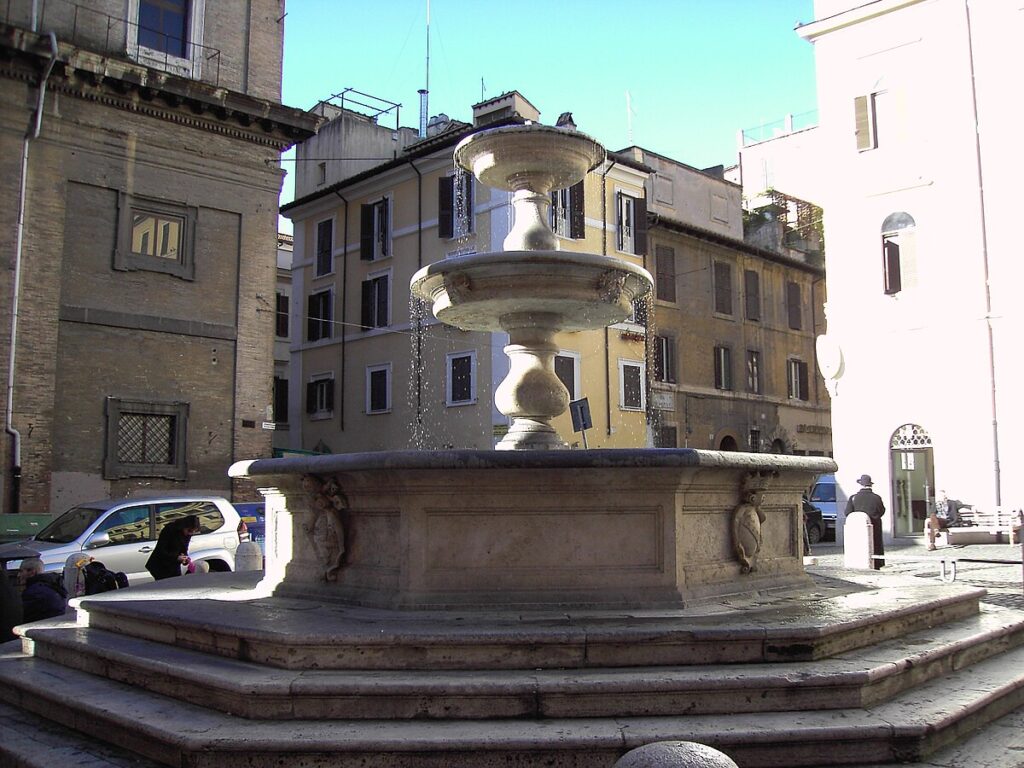
The Fountain of the Catechumens, located in the picturesque Piazza della Madonna dei Monti in Rome, is a precious example of Renaissance art and engineering. Designed by Giacomo Della Porta and executed by Battista Rusconi in 1589, this fountain represents a fundamental element in understanding the urban evolution and water supply of Rome during the […]
Former slaughterhouse
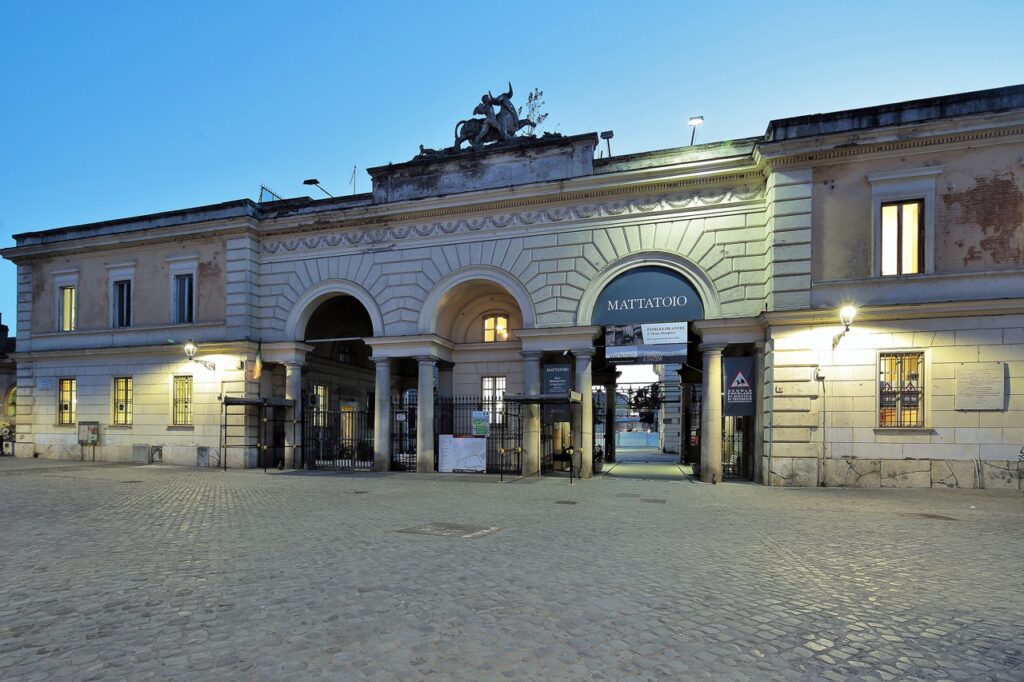
The former Testaccio Slaughterhouse is a fascinating example of how 19th-century industrial architecture can be transformed to meet contemporary cultural and social needs. Inaugurated in 1891 and designed by architect Gioacchino Ersoch, the Slaughterhouse complex was one of the largest and most modern slaughterhouses in Europe. The area covered approximately 105,000 square meters, with pavilions […]
Domus Aurea
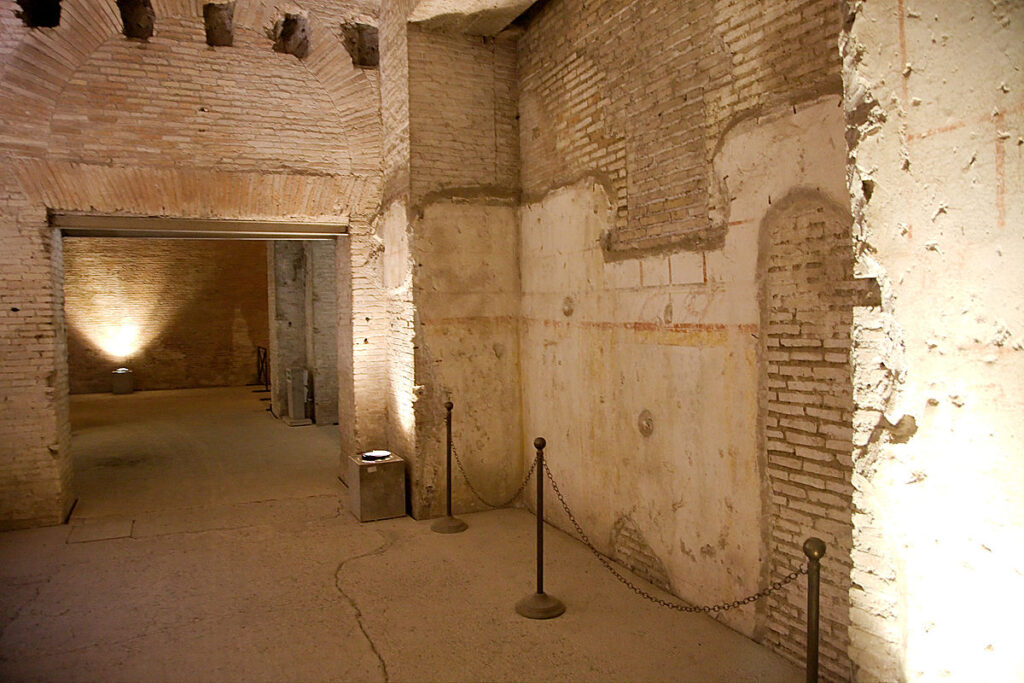
The Domus Aurea, or “Golden House,” was one of Emperor Nero’s most ambitious and controversial projects. Built after the devastating fire of Rome in 64 AD, the Domus Aurea represents the peak of opulence and luxury in ancient Rome. Nero decided to construct this urban villa, not so much to live in it, but as […]
Curia Julia

The Curia Julia, located in the heart of the Roman Forum, is one of the best-preserved structures of ancient Rome and represents an important example of Roman architecture and politics. This historic building, built to host meetings of the Roman Senate, has undergone centuries of transformations and restorations, maintaining its symbolic and historical importance intact. […]
Colosseum

The Colosseum, also known as the Flavian Amphitheater, is one of the most iconic and visited symbols of Rome and the entire Roman civilization. Built in the heart of the Roman Empire, the Colosseum has witnessed a rich and fascinating history, filled with grand spectacles, gladiatorial battles, and public events that have shaped the collective […]
Column of the Immaculate Conception

The Column of the Immaculate Conception, located in Piazza Mignanelli in Rome, is an imposing and significant monument that celebrates the Catholic dogma of the Immaculate Conception. This monument, inaugurated on December 8, 1857, stands next to the famous Spanish Steps and represents one of the most fascinating architectural and historical elements of the eternal […]
Roman College
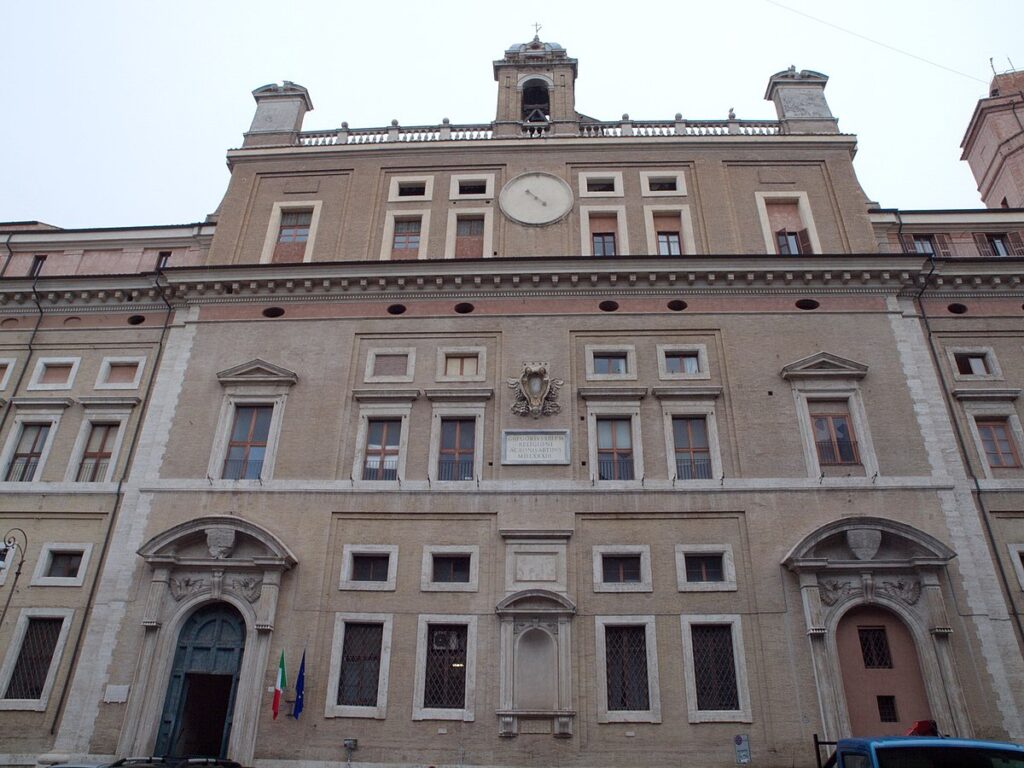
The Roman College is a historically important building located in the center of Rome, a few steps away from Piazza Venezia. Built between 1582 and 1584 by the will of Pope Gregory XIII, the Roman College was established as the headquarters of the school founded by Saint Ignatius of Loyola for the Jesuits and for […]
Clivus of Scaurus

The Clivus Scauri is one of the ancient streets of Rome, which offers an extraordinary journey through time, between Roman ruins and suggestive medieval testimonies. Located in the heart of the Celio district, the Clivus Scauri stretches between Piazza di San Gregorio and Piazza dei Santi Giovanni e Paolo, connecting some of the historically and […]
Circus Maximus
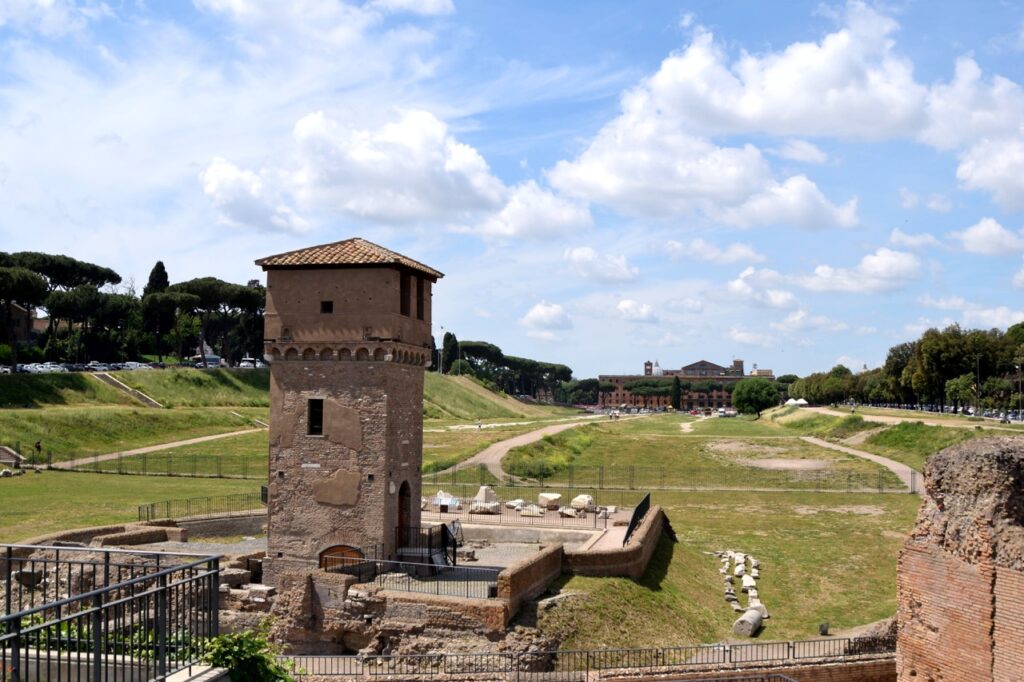
The Circus Maximus is one of the most emblematic monuments of Rome, a place that has crossed millennia of history and has seen the city grow and transform around it. Located in the valley between the Palatine and the Aventine, this ancient Roman circus was the largest entertainment building ever built and one of the […]
Circus Flaminio
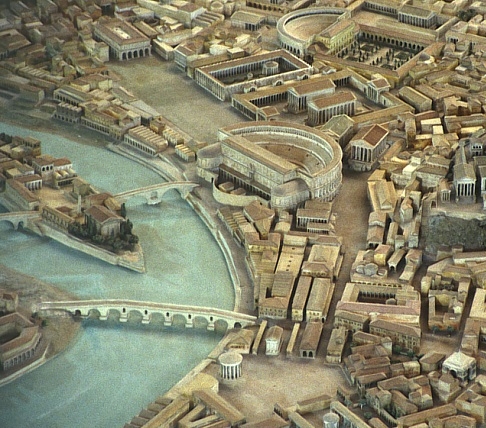
The Flaminio Circus is one of the lesser-known but extraordinarily fascinating structures of ancient Rome. Built in the Campus Martius, this structure was not a circus in the classical sense of the term, meaning it did not host chariot races like the Circus Maximus, but had a multifunctional purpose, hosting games, celebrations, and public spectacles. […]
