

Giustiniani Palace
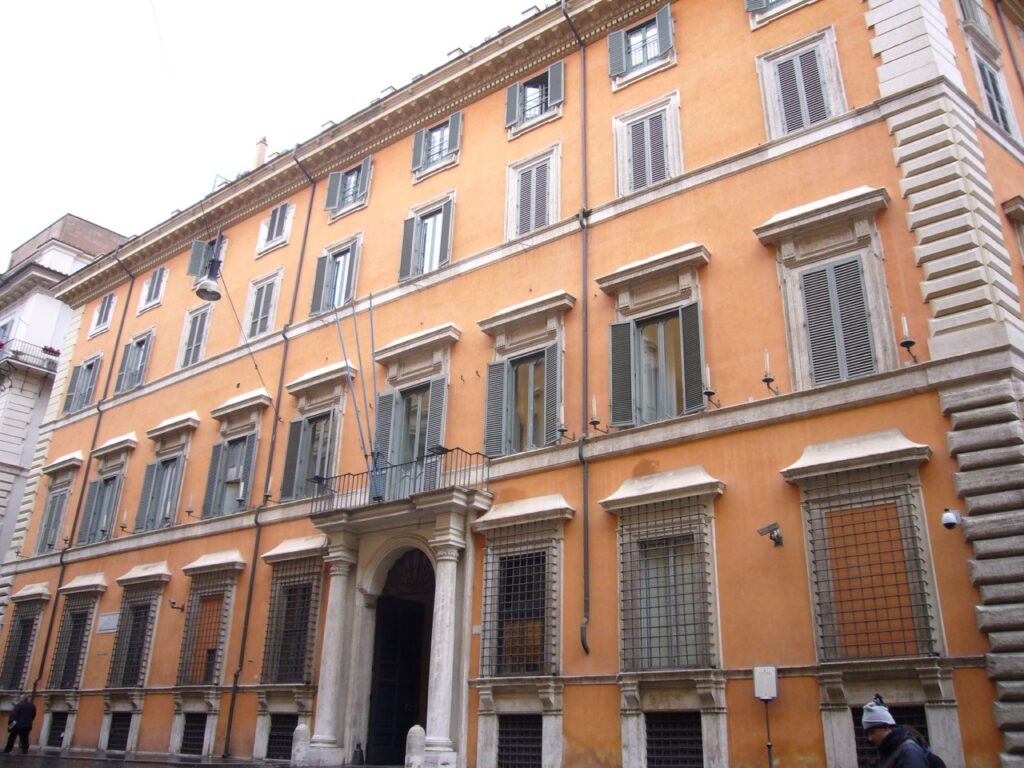
The Palazzo Giustiniani, located in the heart of Rome on Via della Dogana Vecchia, is an architectural and historical gem that has undergone centuries of transformations and has hosted nationally relevant events. Its construction began in 1585 at the behest of Monsignor Francesco Vento and was probably designed by the brothers Giovanni and Domenico Fontana. […]
Palazzo Gabrielli-Mignanelli

Palazzo Gabrielli-Mignanelli is a magnificent example of Renaissance architecture located in the heart of Rome, overlooking Piazza Mignanelli and near the famous Piazza di Spagna. Built around 1575 by the architect Alessandro Moschetti for Count Girolamo Gabrielli, the palace stands majestic on the edge of the Pincio hill, above the remains of the ancient gardens […]
Farnese Palace
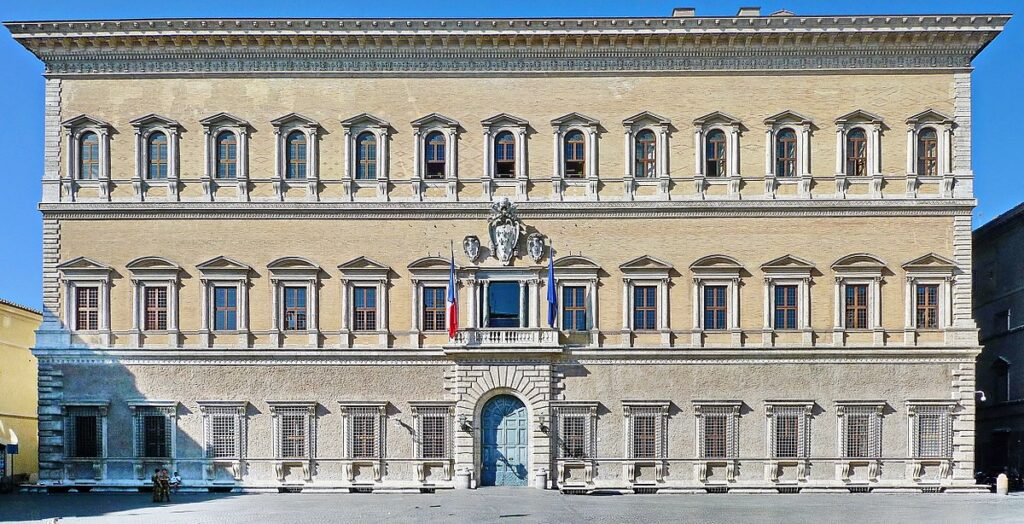
Palazzo Farnese, located in the heart of Rome, is one of the most important examples of Renaissance architecture. Its construction began in 1517 at the behest of Alessandro Farnese, who would later become Pope Paul III. The project was entrusted to Antonio da Sangallo the Younger, but after his death in 1546, Michelangelo took over […]
Palazzo Doria Pamphilj
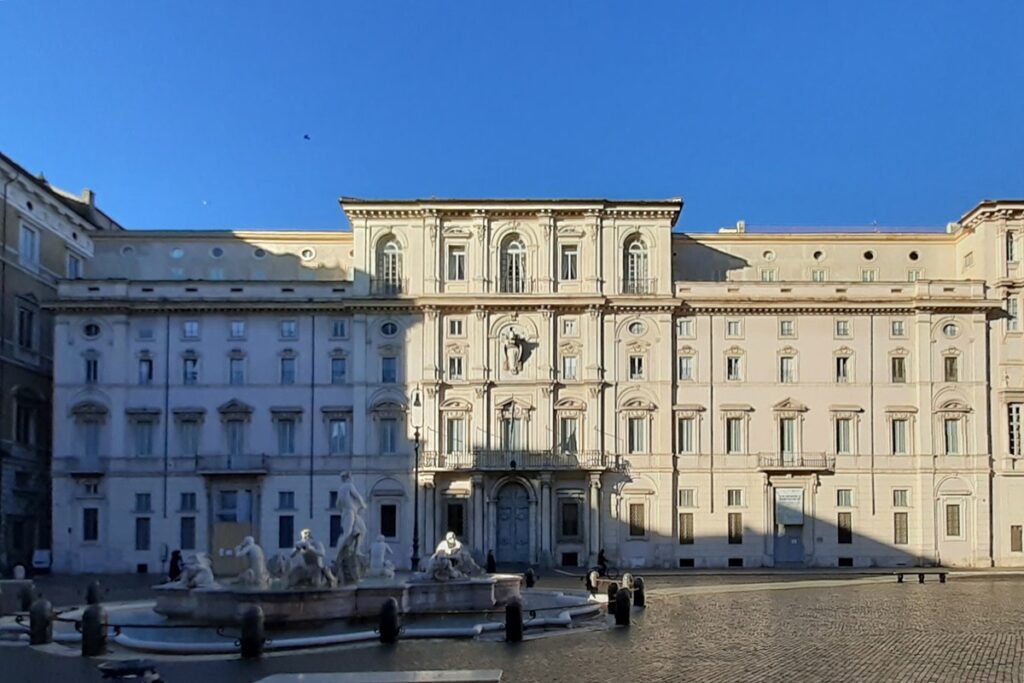
The Palazzo Doria Pamphilj, located in the heart of Rome, between Via del Corso and Piazza del Collegio Romano, is one of the most fascinating and art-rich historical residences in the city. Its history is intertwined with some of the most influential families of Renaissance and Baroque Italy, including the Della Rovere, Aldobrandini, Pamphilj, and […]
Exhibition Palace

The Palace of Exhibitions, located on Via Nazionale in Rome, is an emblematic building that represents a cultural and artistic reference point for the city. Inaugurated on January 21, 1883, the palace was designed by the architect Pio Piacentini, a master of Umbertine architecture, a style that characterized post-unitary Italy. The imposing and majestic structure […]
Justice palace
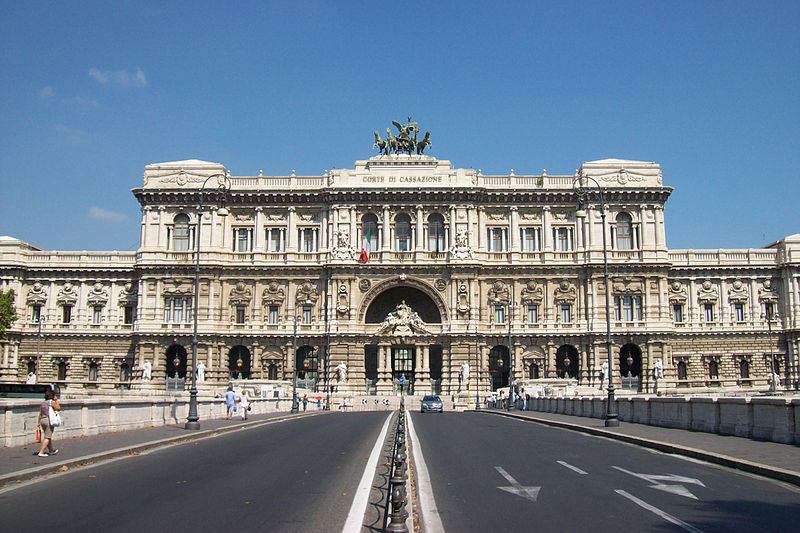
The Palace of Justice, located in Piazza Cavour in Rome, is one of the most imposing and significant buildings in the city, not only for its institutional function but also for its architectural and historical relevance. Designed by the Perugian architect Guglielmo Calderini, construction began in 1889 and was completed in 1911. The palace, also […]
Farnesina Palace
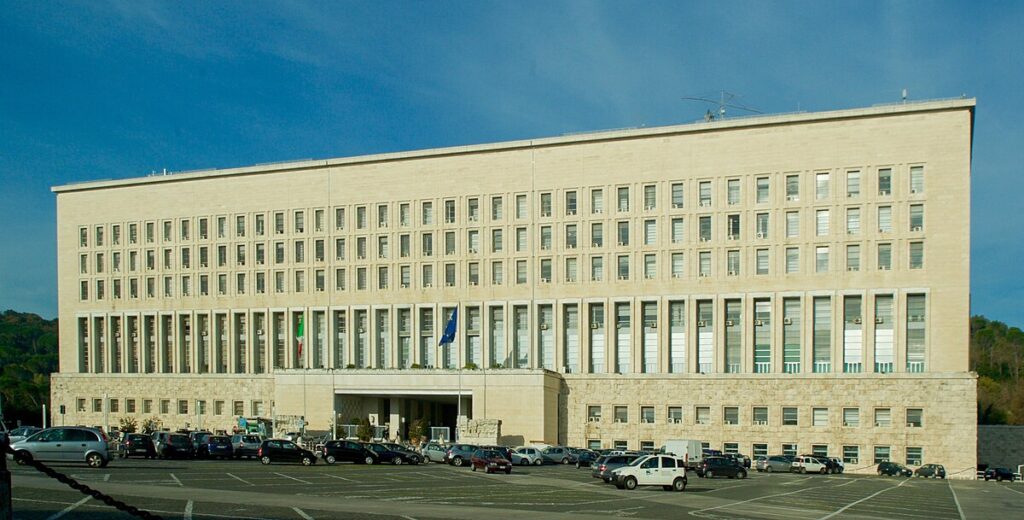
The Farnesina Palace, located in Rome between Monte Mario and the Tiber, represents one of the most imposing and recognizable buildings in the Italian capital. Built between 1937 and 1959, it was initially designed to house the Palazzo del Littorio, the headquarters of the National Fascist Party. However, by 1940, its intended use was changed […]
Palace of Italian Civilization (Square Colosseum)
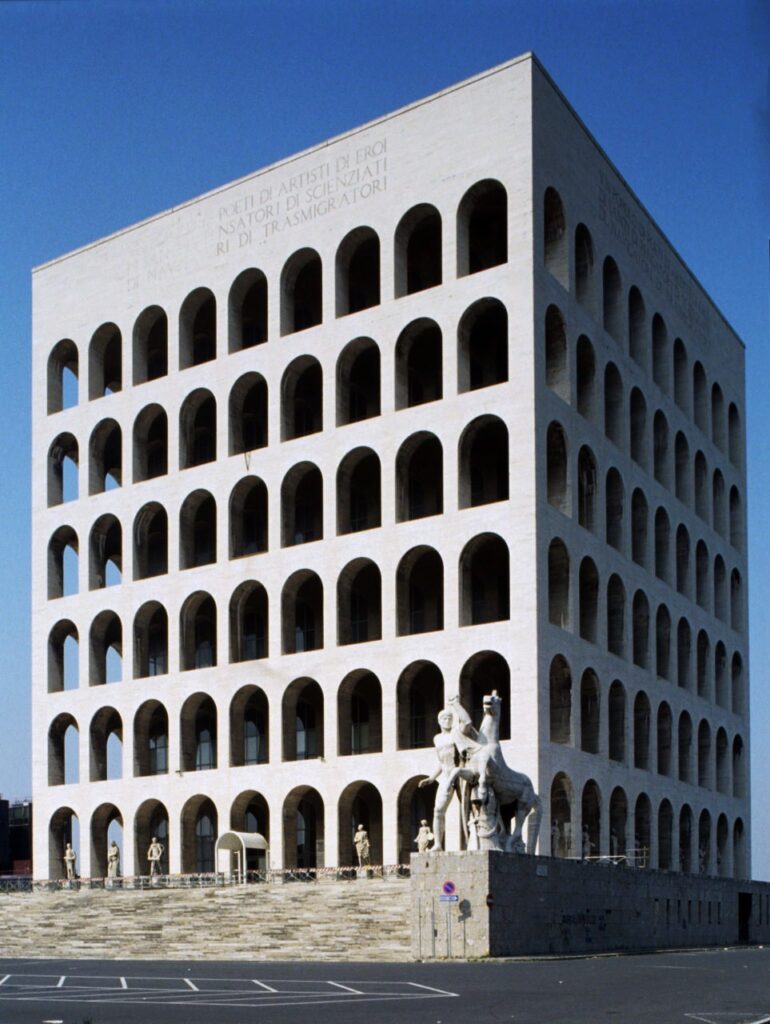
The Palace of Italian Civilization, also known as the Palace of the Civilization of Work or commonly called the Square Colosseum, is one of the most representative symbols of Italian rationalist architecture and the fascist period. Located in the EUR district of Rome, the palace was designed in 1938 by architects Giovanni Guerrini, Ernesto La […]
Chancellery Palace
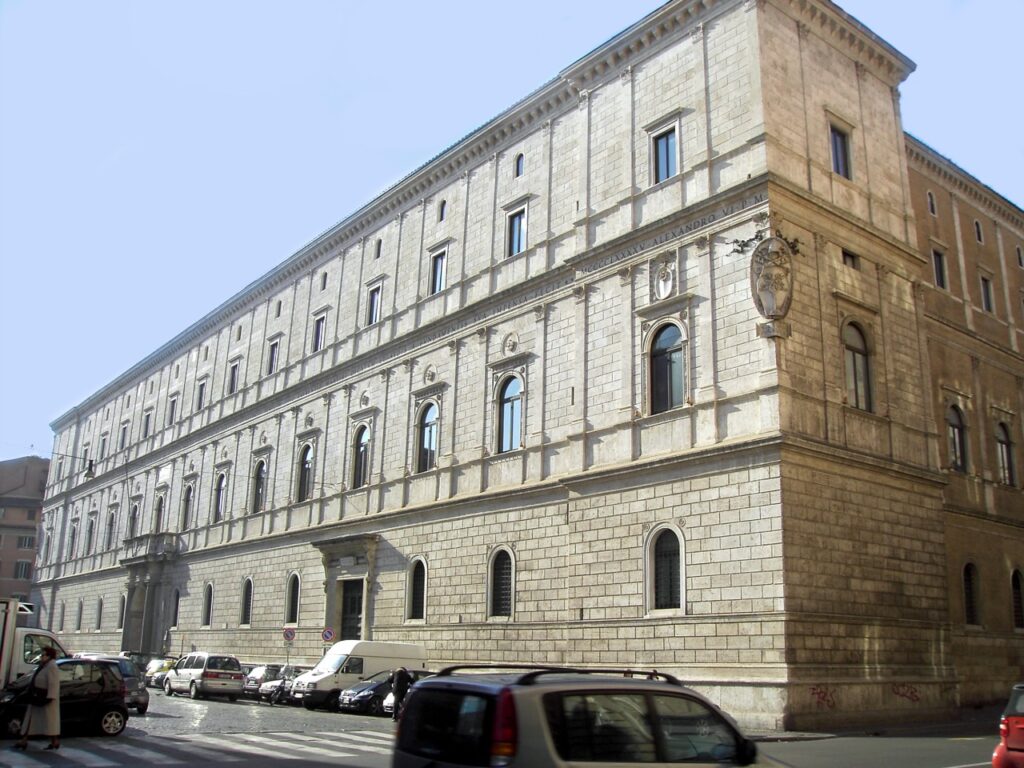
The Cancelleria Palace, located in the heart of Rome between Corso Vittorio Emanuele II and Campo de’ Fiori, is one of the first and most important Renaissance buildings in the city. Built between 1489 and 1513 by the will of Cardinal Raffaele Riario, the palace is a masterpiece of Italian Renaissance architecture. Although the documents […]
Quirinale Palace
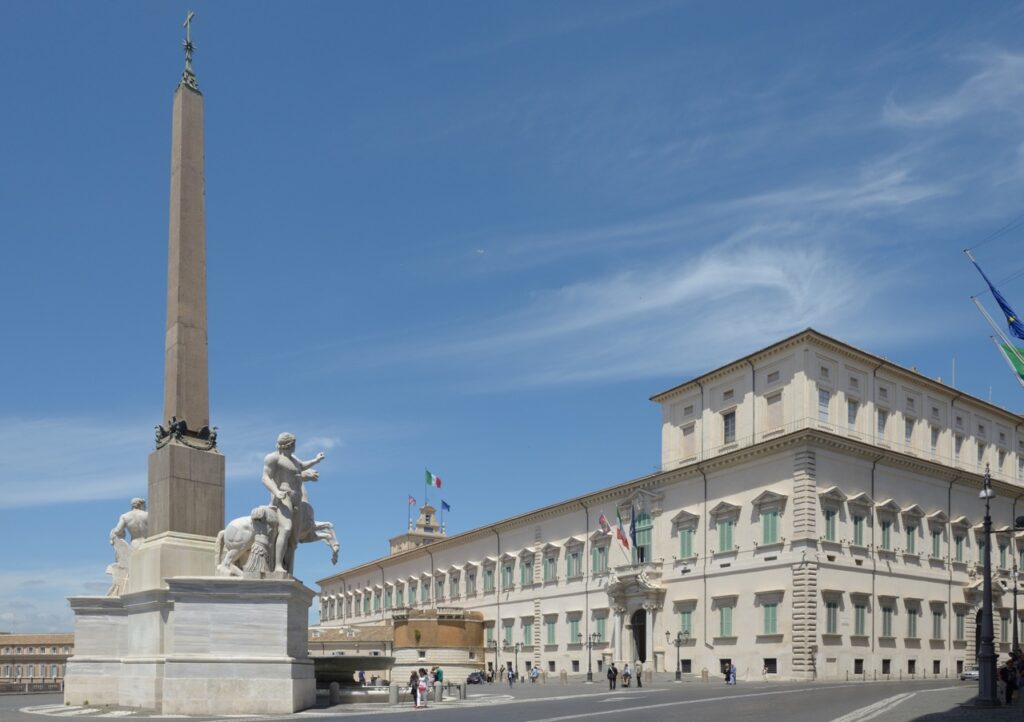
The Quirinal Palace, located on the hill of the same name in Rome, is one of the most significant buildings in the city both from a historical and architectural point of view. Initially built as a papal summer residence by Pope Gregory XIII in 1573, the palace was later expanded and modified by renowned architects […]
